Buy futurefoundation.eu ?
We are moving the project
futurefoundation.eu .
Are you interested in purchasing the domain
futurefoundation.eu ?
domain@kv-gmbh.de · 0541-91531010
Buy futurefoundation.eu ?
What are rudimentary organs?
Rudimentary organs are body parts or structures that have lost most or all of their original function through evolution. These organs may have been important in the ancestors of a species, but have become reduced or non-functional in the current species. Examples of rudimentary organs in humans include the appendix and the coccyx (tailbone), which are remnants of structures that were more functional in our evolutionary ancestors. Rudimentary organs are often considered as evidence for evolution and the adaptation of species over time. **
Is stronger evidence of evolution rudimentary structures or atavisms?
Stronger evidence of evolution would likely be atavisms rather than rudimentary structures. Atavisms are traits that reappear in a species after being lost in its evolutionary history, providing a direct link to the species' ancestors and demonstrating the process of evolution. On the other hand, rudimentary structures are remnants of once-functional features that have lost their original purpose over time, which can also provide evidence of evolution but may not be as compelling as atavisms in terms of demonstrating evolutionary processes. **
Similar search terms for Rudimentary
Top-Angebote
Products related to Rudimentary:
-
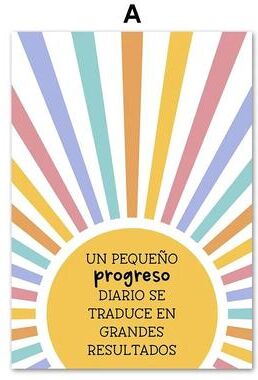
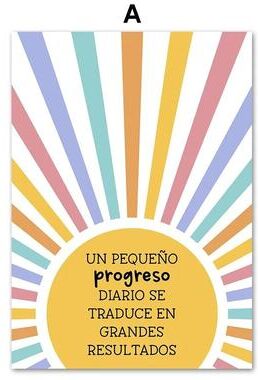
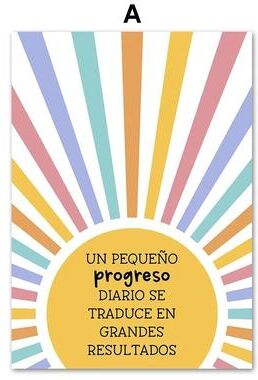
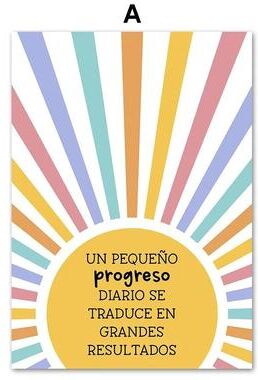
Inspired Finds Growth Mindset Poster Therapy Office Wall Art Social Worker Decor Print positive Progress Rays 8.27x11.81 InCreate a space that inspires growth, reflection, and positivity with this meaningful growth mindset poster designed for professionals who care deeply about impact. Whether you're a counselor, therapist, or educator, this piece adds purpose to your...43,99 $*Shipping: 0,00 $Secure redirect to the provider
-
Inspired Finds Growth Mindset Poster Therapy Office Wall Art Social Worker Decor Print positive Progress Rays 7.87x9.84 InCreate a space that inspires growth, reflection, and positivity with this meaningful growth mindset poster designed for professionals who care deeply about impact. Whether you're a counselor, therapist, or educator, this piece adds purpose to your...40,99 $*Shipping: 0,00 $Secure redirect to the provider
-
Inspired Finds Growth Mindset Poster Therapy Office Wall Art Social Worker Decor Print positive Progress Rays 19.69x27.56 InCreate a space that inspires growth, reflection, and positivity with this meaningful growth mindset poster designed for professionals who care deeply about impact. Whether you're a counselor, therapist, or educator, this piece adds purpose to your...58,99 $*Shipping: 0,00 $Secure redirect to the provider
-
Inspired Finds Growth Mindset Poster Therapy Office Wall Art Social Worker Decor Print positive Progress Rays 11.81x15.75 InCreate a space that inspires growth, reflection, and positivity with this meaningful growth mindset poster designed for professionals who care deeply about impact. Whether you're a counselor, therapist, or educator, this piece adds purpose to your...45,99 $*Shipping: 0,00 $Secure redirect to the provider


-
How has the rudimentary organ developed in the evolution of humans?
The concept of rudimentary organs in human evolution refers to organs or structures that have lost their original function over time. These organs may have been important in the evolutionary history of our ancestors, but have become less necessary as our species has evolved. For example, the appendix is thought to have been important for digesting tough plant materials in our ancestors, but is now considered a vestigial organ with no clear function in modern humans. The development of rudimentary organs in humans is a result of natural selection and genetic changes over time, as our species has adapted to new environments and lifestyles. **
-
Why do humpback whales have rudimentary pelvises and thigh bones? Is this evidence of evolution?
Humpback whales have rudimentary pelvises and thigh bones because they are remnants of their evolutionary history when their ancestors walked on land. Over millions of years, as whales transitioned from land to water, these structures became unnecessary for their aquatic lifestyle but were not completely lost due to genetic constraints. This is considered evidence of evolution as it demonstrates how anatomical features can change over time in response to environmental pressures and adaptations. **
-
Why do humpback whales have rudimentary pelvis and thigh bones? Is this evidence for evolution?
Humpback whales have rudimentary pelvis and thigh bones because they are remnants of their evolutionary history when their ancestors walked on land. These bones are no longer functional for walking on land, but they are evidence of the whale's evolutionary transition from land-dwelling to fully aquatic animals. This is evidence for evolution as it demonstrates how species have evolved and adapted over time to their changing environments. **
-
How does growth progress?
Growth progresses through a series of stages, starting from infancy and continuing through childhood, adolescence, and adulthood. During these stages, individuals experience physical, cognitive, emotional, and social development. Factors such as genetics, environment, nutrition, and experiences all play a role in shaping an individual's growth trajectory. As individuals grow, they acquire new skills, knowledge, and perspectives that contribute to their overall development and well-being. **

How does language development progress?
Language development progresses in stages, starting with cooing and babbling in infancy, then moving on to single words, two-word phrases, and eventually more complex sentences. Children learn language through exposure to spoken language, imitation, and reinforcement from caregivers. As they grow, they continue to expand their vocabulary, grammar, and communication skills through interactions with others and practice in various social contexts. Language development is a gradual process that is influenced by both biological factors and environmental experiences. **
How does human development progress?
Human development progresses through a series of stages that are influenced by both biological and environmental factors. These stages include physical, cognitive, emotional, and social development. As individuals grow and mature, they acquire new skills, knowledge, and experiences that shape their understanding of the world and their place in it. Development is a lifelong process that continues from infancy through adulthood and is influenced by a combination of genetics, environment, and personal experiences. **
Top-Angebote
Products related to Rudimentary:
-
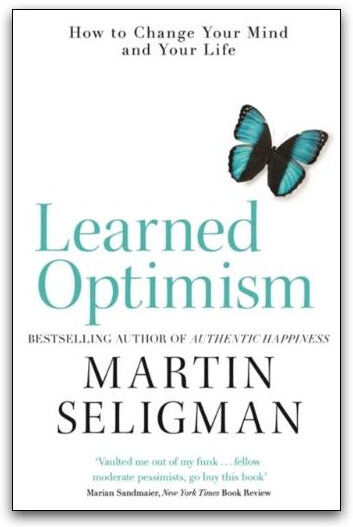
Nicholas Brealey Publishing Learned Optimism by Martin E. P. Seligman Positive Psychology, Resilience & Personal GrowthDiscover the life-changing power of positive thinking with Learned Optimism by renowned psychologist and positive psychology pioneer Martin E. P. Seligman. In this influential book, Seligman explains how optimism is not simply an inborn trait—it can be learned. Drawing on decades of psychological research, he introduces practical techniques to help readers recognize negative thought patterns, develop a more constructive outlook, and build resilience in the face of life's challenges. Whether you're looking to improve your mental wellbeing, boost confidence, manage setbacks, or achieve personal and professional success, Learned Optimism provides evidence-based strategies that can help you cultivate a healthier, more positive mindset. Why Readers Love This Book: Written by the founder of positive psychology Research-based techniques for building optimism and resilience Practical exercises to overcome negative thinking Helps improve confidence, wellbeing, and emotional strength Ideal for readers interested in psychology, self-improvement, and mental wellness A modern classic in psychology, Learned Optimism offers practical tools to help you develop a more resilient mindset and lead a happier, more fulfilling life.5,99 £*Shipping: 2,99 £Secure redirect to the provider
-
Inspired Finds Growth Mindset Poster Therapy Office Wall Art Social Worker Decor Print positive Progress Rays 19.69x29.53 InCreate a space that inspires growth, reflection, and positivity with this meaningful growth mindset poster designed for professionals who care deeply about impact. Whether you're a counselor, therapist, or educator, this piece adds purpose to your...60,99 $*Shipping: 0,00 $Secure redirect to the provider
-
Inspired Finds Growth Mindset Poster Therapy Office Wall Art Social Worker Decor Print positive Progress Rays 8.27x11.81 InCreate a space that inspires growth, reflection, and positivity with this meaningful growth mindset poster designed for professionals who care deeply about impact. Whether you're a counselor, therapist, or educator, this piece adds purpose to your...43,99 $*Shipping: 0,00 $Secure redirect to the provider
-
Inspired Finds Growth Mindset Poster Therapy Office Wall Art Social Worker Decor Print positive Progress Rays 7.87x9.84 InCreate a space that inspires growth, reflection, and positivity with this meaningful growth mindset poster designed for professionals who care deeply about impact. Whether you're a counselor, therapist, or educator, this piece adds purpose to your...40,99 $*Shipping: 0,00 $Secure redirect to the provider
-
What are rudimentary organs?
Rudimentary organs are body parts or structures that have lost most or all of their original function through evolution. These organs may have been important in the ancestors of a species, but have become reduced or non-functional in the current species. Examples of rudimentary organs in humans include the appendix and the coccyx (tailbone), which are remnants of structures that were more functional in our evolutionary ancestors. Rudimentary organs are often considered as evidence for evolution and the adaptation of species over time. **
-
Is stronger evidence of evolution rudimentary structures or atavisms?
Stronger evidence of evolution would likely be atavisms rather than rudimentary structures. Atavisms are traits that reappear in a species after being lost in its evolutionary history, providing a direct link to the species' ancestors and demonstrating the process of evolution. On the other hand, rudimentary structures are remnants of once-functional features that have lost their original purpose over time, which can also provide evidence of evolution but may not be as compelling as atavisms in terms of demonstrating evolutionary processes. **
-
How has the rudimentary organ developed in the evolution of humans?
The concept of rudimentary organs in human evolution refers to organs or structures that have lost their original function over time. These organs may have been important in the evolutionary history of our ancestors, but have become less necessary as our species has evolved. For example, the appendix is thought to have been important for digesting tough plant materials in our ancestors, but is now considered a vestigial organ with no clear function in modern humans. The development of rudimentary organs in humans is a result of natural selection and genetic changes over time, as our species has adapted to new environments and lifestyles. **
-
Why do humpback whales have rudimentary pelvises and thigh bones? Is this evidence of evolution?
Humpback whales have rudimentary pelvises and thigh bones because they are remnants of their evolutionary history when their ancestors walked on land. Over millions of years, as whales transitioned from land to water, these structures became unnecessary for their aquatic lifestyle but were not completely lost due to genetic constraints. This is considered evidence of evolution as it demonstrates how anatomical features can change over time in response to environmental pressures and adaptations. **
Similar search terms for Rudimentary
-
Inspired Finds Growth Mindset Poster Therapy Office Wall Art Social Worker Decor Print positive Progress Rays 19.69x27.56 InCreate a space that inspires growth, reflection, and positivity with this meaningful growth mindset poster designed for professionals who care deeply about impact. Whether you're a counselor, therapist, or educator, this piece adds purpose to your...58,99 $*Shipping: 0,00 $Secure redirect to the provider
-
Inspired Finds Growth Mindset Poster Therapy Office Wall Art Social Worker Decor Print positive Progress Rays 11.81x15.75 InCreate a space that inspires growth, reflection, and positivity with this meaningful growth mindset poster designed for professionals who care deeply about impact. Whether you're a counselor, therapist, or educator, this piece adds purpose to your...45,99 $*Shipping: 0,00 $Secure redirect to the provider
-
Inspired Finds Growth Mindset Poster Therapy Office Wall Art Social Worker Decor Print positive Progress Rays 15.75x19.69 InCreate a space that inspires growth, reflection, and positivity with this meaningful growth mindset poster designed for professionals who care deeply about impact. Whether you're a counselor, therapist, or educator, this piece adds purpose to your...47,99 $*Shipping: 0,00 $Secure redirect to the provider
-
Inspired Finds Growth Mindset Poster Therapy Office Wall Art Social Worker Decor Print positive Progress Rays 11.81x16.54 InCreate a space that inspires growth, reflection, and positivity with this meaningful growth mindset poster designed for professionals who care deeply about impact. Whether you're a counselor, therapist, or educator, this piece adds purpose to your...46,99 $*Shipping: 0,00 $Secure redirect to the provider
-
Why do humpback whales have rudimentary pelvis and thigh bones? Is this evidence for evolution?
Humpback whales have rudimentary pelvis and thigh bones because they are remnants of their evolutionary history when their ancestors walked on land. These bones are no longer functional for walking on land, but they are evidence of the whale's evolutionary transition from land-dwelling to fully aquatic animals. This is evidence for evolution as it demonstrates how species have evolved and adapted over time to their changing environments. **
-
How does growth progress?
Growth progresses through a series of stages, starting from infancy and continuing through childhood, adolescence, and adulthood. During these stages, individuals experience physical, cognitive, emotional, and social development. Factors such as genetics, environment, nutrition, and experiences all play a role in shaping an individual's growth trajectory. As individuals grow, they acquire new skills, knowledge, and perspectives that contribute to their overall development and well-being. **
-
How does language development progress?
Language development progresses in stages, starting with cooing and babbling in infancy, then moving on to single words, two-word phrases, and eventually more complex sentences. Children learn language through exposure to spoken language, imitation, and reinforcement from caregivers. As they grow, they continue to expand their vocabulary, grammar, and communication skills through interactions with others and practice in various social contexts. Language development is a gradual process that is influenced by both biological factors and environmental experiences. **
-
How does human development progress?
Human development progresses through a series of stages that are influenced by both biological and environmental factors. These stages include physical, cognitive, emotional, and social development. As individuals grow and mature, they acquire new skills, knowledge, and experiences that shape their understanding of the world and their place in it. Development is a lifelong process that continues from infancy through adulthood and is influenced by a combination of genetics, environment, and personal experiences. **
* All prices are inclusive of VAT and, if applicable, plus shipping costs. The offer information is based on the details provided by the respective shop and is updated through automated processes. Real-time updates do not occur, so deviations can occur in individual cases. ** Note: Parts of this content were created by AI.