Buy futurefoundation.eu ?
We are moving the project
futurefoundation.eu .
Are you interested in purchasing the domain
futurefoundation.eu ?
domain@kv-gmbh.de · 0541-91531010
Buy futurefoundation.eu ?
What is the evolutionary history of the development of horses?
Horses have a long evolutionary history that dates back over 50 million years. They evolved from small, multi-toed creatures known as eohippus, which lived in forests and had a diet of soft plants. Over time, as their environment changed and grasslands became more prevalent, horses adapted by developing a single toe and teeth suited for grazing on tougher grasses. This evolutionary process led to the development of the modern horse we are familiar with today. **
Do all evolutionary factors have to act in synthetic evolutionary theory?
In synthetic evolutionary theory, not all evolutionary factors have to act in isolation. Instead, the theory emphasizes the interaction and integration of multiple factors, such as genetic variation, natural selection, genetic drift, and gene flow, in shaping the evolutionary process. This approach recognizes that evolution is a complex and multifaceted phenomenon, and that the combined effects of these factors can lead to the emergence of new traits and species. By considering the interactions among these factors, synthetic evolutionary theory provides a more comprehensive understanding of the evolutionary process. **

Similar search terms for Evolutionary
Top-Angebote
Products related to Evolutionary:
-
Inspired Finds Growth Mindset Poster Therapy Office Wall Art Social Worker Decor Print positive Progress Rays 7.87x9.84 InCreate a space that inspires growth, reflection, and positivity with this meaningful growth mindset poster designed for professionals who care deeply about impact. Whether you're a counselor, therapist, or educator, this piece adds purpose to your...40,99 $*Shipping: 0,00 $Secure redirect to the provider
-
Inspired Finds Growth Mindset Poster Therapy Office Wall Art Social Worker Decor Print positive Progress Rays 19.69x27.56 InCreate a space that inspires growth, reflection, and positivity with this meaningful growth mindset poster designed for professionals who care deeply about impact. Whether you're a counselor, therapist, or educator, this piece adds purpose to your...58,99 $*Shipping: 0,00 $Secure redirect to the provider
-
Inspired Finds Growth Mindset Poster Therapy Office Wall Art Social Worker Decor Print positive Progress Rays 11.81x16.54 InCreate a space that inspires growth, reflection, and positivity with this meaningful growth mindset poster designed for professionals who care deeply about impact. Whether you're a counselor, therapist, or educator, this piece adds purpose to your...46,99 $*Shipping: 0,00 $Secure redirect to the provider
-
Inspired Finds Growth Mindset Poster Therapy Office Wall Art Social Worker Decor Print positive Progress Rays 8.27x11.81 InCreate a space that inspires growth, reflection, and positivity with this meaningful growth mindset poster designed for professionals who care deeply about impact. Whether you're a counselor, therapist, or educator, this piece adds purpose to your...43,99 $*Shipping: 0,00 $Secure redirect to the provider




-
How can the criteria of evolutionary development in vertebrates be demonstrated?
The criteria of evolutionary development in vertebrates can be demonstrated through the study of comparative anatomy, embryology, and genetics. By comparing the anatomical structures of different vertebrate species, scientists can identify similarities and differences that provide evidence of evolutionary relationships. Additionally, studying the embryonic development of vertebrates can reveal shared developmental pathways and structures that point to common ancestry. Finally, genetic analysis can provide insights into the evolutionary history of vertebrates by identifying shared genetic sequences and molecular mechanisms. Together, these approaches help to demonstrate the criteria of evolutionary development in vertebrates. **
-
How does the shark stand in the evolutionary development towards the whale?
The shark and the whale are both part of the group of animals known as Chondrichthyes, which are cartilaginous fish. However, the shark is more closely related to the ancient ancestors of whales, as they both evolved from a common ancestor around 400 million years ago. The shark represents an earlier stage in the evolutionary development towards the whale, as it has retained its fish-like characteristics such as gills and fins, while the whale has evolved to become a mammal, with features such as lungs and a blowhole for breathing air at the water's surface. The transition from the shark to the whale represents a significant evolutionary shift from a fish-like to a mammal-like form, with adaptations for life in the water. **
-
Is love of evolutionary origin?
Yes, the concept of love is believed to have evolutionary origins. Evolutionary psychologists suggest that love developed as a mechanism to promote bonding and cooperation between individuals, which increased the chances of survival and reproduction. The feelings of attachment, care, and protection associated with love are thought to have evolved to ensure the successful raising of offspring. Therefore, love is considered to have evolved as an adaptive trait that has persisted over time due to its benefits for human survival and reproduction. **
-
What is an evolutionary brake?
An evolutionary brake refers to a factor or mechanism that slows down or limits the rate of evolution within a population or species. This can include environmental factors, such as limited resources or harsh conditions, that restrict the ability of individuals with certain traits to survive and reproduce. Additionally, genetic factors, such as mutations that are detrimental to an organism's survival or reproduction, can act as evolutionary brakes by preventing those traits from becoming more common in a population. Overall, evolutionary brakes help to maintain genetic diversity and prevent rapid and potentially harmful changes in a population. **


How does Lamarck's theory explain the evolutionary development of the woodpecker's long tongue?
According to Lamarck's theory of evolution, organisms can acquire new traits during their lifetime through their interactions with the environment, and these acquired traits can be passed on to their offspring. In the case of the woodpecker's long tongue, Lamarck would suggest that the woodpecker's ancestors may have developed longer tongues over time by stretching their tongues to reach insects deep within tree crevices. This acquired trait of a longer tongue would have been passed on to future generations of woodpeckers, ultimately leading to the evolutionary development of the woodpecker's long tongue. **
Do blood types have evolutionary advantages?
Yes, blood types are believed to have evolutionary advantages. For example, the ABO blood group system is thought to have evolved as a way to protect against certain diseases. Individuals with type O blood are less susceptible to severe malaria, while those with type A blood may have a higher risk of developing certain types of cancer. Additionally, the Rh factor in blood types is thought to have evolved as a way to protect against certain infections. Overall, blood types are believed to have evolved as a way to provide some level of protection against various diseases and infections. **
Top-Angebote
Products related to Evolutionary:
-
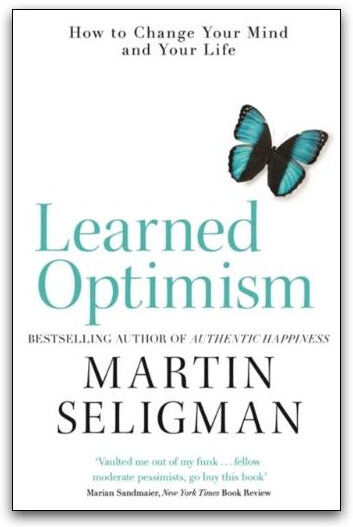
Nicholas Brealey Publishing Learned Optimism by Martin E. P. Seligman Positive Psychology, Resilience & Personal GrowthDiscover the life-changing power of positive thinking with Learned Optimism by renowned psychologist and positive psychology pioneer Martin E. P. Seligman. In this influential book, Seligman explains how optimism is not simply an inborn trait—it can be learned. Drawing on decades of psychological research, he introduces practical techniques to help readers recognize negative thought patterns, develop a more constructive outlook, and build resilience in the face of life's challenges. Whether you're looking to improve your mental wellbeing, boost confidence, manage setbacks, or achieve personal and professional success, Learned Optimism provides evidence-based strategies that can help you cultivate a healthier, more positive mindset. Why Readers Love This Book: Written by the founder of positive psychology Research-based techniques for building optimism and resilience Practical exercises to overcome negative thinking Helps improve confidence, wellbeing, and emotional strength Ideal for readers interested in psychology, self-improvement, and mental wellness A modern classic in psychology, Learned Optimism offers practical tools to help you develop a more resilient mindset and lead a happier, more fulfilling life.5,99 £*Shipping: 2,99 £Secure redirect to the provider
-
Inspired Finds Growth Mindset Poster Therapy Office Wall Art Social Worker Decor Print positive Progress Rays 11.81x15.75 InCreate a space that inspires growth, reflection, and positivity with this meaningful growth mindset poster designed for professionals who care deeply about impact. Whether you're a counselor, therapist, or educator, this piece adds purpose to your...45,99 $*Shipping: 0,00 $Secure redirect to the provider
-
Inspired Finds Growth Mindset Poster Therapy Office Wall Art Social Worker Decor Print positive Progress Rays 7.87x9.84 InCreate a space that inspires growth, reflection, and positivity with this meaningful growth mindset poster designed for professionals who care deeply about impact. Whether you're a counselor, therapist, or educator, this piece adds purpose to your...40,99 $*Shipping: 0,00 $Secure redirect to the provider
-
Inspired Finds Growth Mindset Poster Therapy Office Wall Art Social Worker Decor Print positive Progress Rays 19.69x27.56 InCreate a space that inspires growth, reflection, and positivity with this meaningful growth mindset poster designed for professionals who care deeply about impact. Whether you're a counselor, therapist, or educator, this piece adds purpose to your...58,99 $*Shipping: 0,00 $Secure redirect to the provider
-
What is the evolutionary history of the development of horses?
Horses have a long evolutionary history that dates back over 50 million years. They evolved from small, multi-toed creatures known as eohippus, which lived in forests and had a diet of soft plants. Over time, as their environment changed and grasslands became more prevalent, horses adapted by developing a single toe and teeth suited for grazing on tougher grasses. This evolutionary process led to the development of the modern horse we are familiar with today. **
-
Do all evolutionary factors have to act in synthetic evolutionary theory?
In synthetic evolutionary theory, not all evolutionary factors have to act in isolation. Instead, the theory emphasizes the interaction and integration of multiple factors, such as genetic variation, natural selection, genetic drift, and gene flow, in shaping the evolutionary process. This approach recognizes that evolution is a complex and multifaceted phenomenon, and that the combined effects of these factors can lead to the emergence of new traits and species. By considering the interactions among these factors, synthetic evolutionary theory provides a more comprehensive understanding of the evolutionary process. **
-
How can the criteria of evolutionary development in vertebrates be demonstrated?
The criteria of evolutionary development in vertebrates can be demonstrated through the study of comparative anatomy, embryology, and genetics. By comparing the anatomical structures of different vertebrate species, scientists can identify similarities and differences that provide evidence of evolutionary relationships. Additionally, studying the embryonic development of vertebrates can reveal shared developmental pathways and structures that point to common ancestry. Finally, genetic analysis can provide insights into the evolutionary history of vertebrates by identifying shared genetic sequences and molecular mechanisms. Together, these approaches help to demonstrate the criteria of evolutionary development in vertebrates. **
-
How does the shark stand in the evolutionary development towards the whale?
The shark and the whale are both part of the group of animals known as Chondrichthyes, which are cartilaginous fish. However, the shark is more closely related to the ancient ancestors of whales, as they both evolved from a common ancestor around 400 million years ago. The shark represents an earlier stage in the evolutionary development towards the whale, as it has retained its fish-like characteristics such as gills and fins, while the whale has evolved to become a mammal, with features such as lungs and a blowhole for breathing air at the water's surface. The transition from the shark to the whale represents a significant evolutionary shift from a fish-like to a mammal-like form, with adaptations for life in the water. **
Similar search terms for Evolutionary
-
Inspired Finds Growth Mindset Poster Therapy Office Wall Art Social Worker Decor Print positive Progress Rays 11.81x16.54 InCreate a space that inspires growth, reflection, and positivity with this meaningful growth mindset poster designed for professionals who care deeply about impact. Whether you're a counselor, therapist, or educator, this piece adds purpose to your...46,99 $*Shipping: 0,00 $Secure redirect to the provider
-
Inspired Finds Growth Mindset Poster Therapy Office Wall Art Social Worker Decor Print positive Progress Rays 8.27x11.81 InCreate a space that inspires growth, reflection, and positivity with this meaningful growth mindset poster designed for professionals who care deeply about impact. Whether you're a counselor, therapist, or educator, this piece adds purpose to your...43,99 $*Shipping: 0,00 $Secure redirect to the provider
-
Inspired Finds Growth Mindset Poster Therapy Office Wall Art Social Worker Decor Print positive Progress Rays 15.75x19.69 InCreate a space that inspires growth, reflection, and positivity with this meaningful growth mindset poster designed for professionals who care deeply about impact. Whether you're a counselor, therapist, or educator, this piece adds purpose to your...47,99 $*Shipping: 0,00 $Secure redirect to the provider
-
Inspired Finds Growth Mindset Poster Therapy Office Wall Art Social Worker Decor Print positive Progress Rays 15.75x23.62 InCreate a space that inspires growth, reflection, and positivity with this meaningful growth mindset poster designed for professionals who care deeply about impact. Whether you're a counselor, therapist, or educator, this piece adds purpose to your...50,99 $*Shipping: 0,00 $Secure redirect to the provider
-
Is love of evolutionary origin?
Yes, the concept of love is believed to have evolutionary origins. Evolutionary psychologists suggest that love developed as a mechanism to promote bonding and cooperation between individuals, which increased the chances of survival and reproduction. The feelings of attachment, care, and protection associated with love are thought to have evolved to ensure the successful raising of offspring. Therefore, love is considered to have evolved as an adaptive trait that has persisted over time due to its benefits for human survival and reproduction. **
-
What is an evolutionary brake?
An evolutionary brake refers to a factor or mechanism that slows down or limits the rate of evolution within a population or species. This can include environmental factors, such as limited resources or harsh conditions, that restrict the ability of individuals with certain traits to survive and reproduce. Additionally, genetic factors, such as mutations that are detrimental to an organism's survival or reproduction, can act as evolutionary brakes by preventing those traits from becoming more common in a population. Overall, evolutionary brakes help to maintain genetic diversity and prevent rapid and potentially harmful changes in a population. **
-
How does Lamarck's theory explain the evolutionary development of the woodpecker's long tongue?
According to Lamarck's theory of evolution, organisms can acquire new traits during their lifetime through their interactions with the environment, and these acquired traits can be passed on to their offspring. In the case of the woodpecker's long tongue, Lamarck would suggest that the woodpecker's ancestors may have developed longer tongues over time by stretching their tongues to reach insects deep within tree crevices. This acquired trait of a longer tongue would have been passed on to future generations of woodpeckers, ultimately leading to the evolutionary development of the woodpecker's long tongue. **
-
Do blood types have evolutionary advantages?
Yes, blood types are believed to have evolutionary advantages. For example, the ABO blood group system is thought to have evolved as a way to protect against certain diseases. Individuals with type O blood are less susceptible to severe malaria, while those with type A blood may have a higher risk of developing certain types of cancer. Additionally, the Rh factor in blood types is thought to have evolved as a way to protect against certain infections. Overall, blood types are believed to have evolved as a way to provide some level of protection against various diseases and infections. **
* All prices are inclusive of VAT and, if applicable, plus shipping costs. The offer information is based on the details provided by the respective shop and is updated through automated processes. Real-time updates do not occur, so deviations can occur in individual cases. ** Note: Parts of this content were created by AI.