Buy futurefoundation.eu ?
We are moving the project
futurefoundation.eu .
Are you interested in purchasing the domain
futurefoundation.eu ?
domain@kv-gmbh.de · 0541-91531010
Buy futurefoundation.eu ?
How are hybrid orbitals and molecular orbitals related?
Hybrid orbitals and molecular orbitals are related in that hybrid orbitals are a combination of atomic orbitals that form when atoms bond to create a molecule. These hybrid orbitals then overlap with each other and with other atomic orbitals to form molecular orbitals, which describe the distribution of electrons in a molecule. In other words, hybrid orbitals are the building blocks that contribute to the formation of molecular orbitals, which ultimately determine the bonding and structure of a molecule. **
What are antibonding orbitals?
Antibonding orbitals are molecular orbitals that have higher energy than the corresponding bonding orbitals. They result from the destructive interference of atomic orbitals when they combine to form a molecule. Electrons in antibonding orbitals destabilize the molecule and weaken the bond strength between the atoms. Antibonding orbitals are denoted with an asterisk (*) symbol, such as σ* or π*. **

Similar search terms for Orbitals
Top-Angebote
Products related to Orbitals:
-
Inspired Finds Growth Mindset Poster Therapy Office Wall Art Social Worker Decor Print positive Progress Rays 19.69x29.53 InCreate a space that inspires growth, reflection, and positivity with this meaningful growth mindset poster designed for professionals who care deeply about impact. Whether you're a counselor, therapist, or educator, this piece adds purpose to your...60,99 $*Shipping: 0,00 $Secure redirect to the provider
-
Inspired Finds Growth Mindset Poster Therapy Office Wall Art Social Worker Decor Print positive Progress Rays 5.12x7.09 InCreate a space that inspires growth, reflection, and positivity with this meaningful growth mindset poster designed for professionals who care deeply about impact. Whether you're a counselor, therapist, or educator, this piece adds purpose to your...39,99 $*Shipping: 0,00 $Secure redirect to the provider
-
Inspired Finds Growth Mindset Poster Therapy Office Wall Art Social Worker Decor Print positive Progress Rays 11.81x15.75 InCreate a space that inspires growth, reflection, and positivity with this meaningful growth mindset poster designed for professionals who care deeply about impact. Whether you're a counselor, therapist, or educator, this piece adds purpose to your...45,99 $*Shipping: 0,00 $Secure redirect to the provider
-
Inspired Finds Growth Mindset Poster Therapy Office Wall Art Social Worker Decor Print positive Progress Rays 7.87x9.84 InCreate a space that inspires growth, reflection, and positivity with this meaningful growth mindset poster designed for professionals who care deeply about impact. Whether you're a counselor, therapist, or educator, this piece adds purpose to your...40,99 $*Shipping: 0,00 $Secure redirect to the provider




-
What are orbitals 2?
Orbitals are regions in an atom where electrons are likely to be found. Orbitals are described by quantum mechanics and have specific shapes and orientations. Orbitals are labeled by their energy level (n) and sublevel (s, p, d, f), and each sublevel contains a specific number of orbitals with different shapes. For example, the second energy level (n=2) contains an s orbital and three p orbitals, each with a different orientation in space. **
-
What are molecular orbitals?
Molecular orbitals are regions of space around a molecule where the probability of finding an electron is high. They are formed by the combination of atomic orbitals from the individual atoms in the molecule. Molecular orbitals can be bonding, anti-bonding, or non-bonding, and they play a crucial role in determining the electronic structure and properties of molecules. The interaction of these molecular orbitals determines the stability and reactivity of the molecule. **
-
Can you sketch atomic orbitals?
As a language model AI, I cannot physically sketch atomic orbitals. However, I can describe them. Atomic orbitals are regions of space around the nucleus of an atom where an electron is likely to be found. They are represented as three-dimensional shapes, such as spheres, dumbbells, and other more complex shapes, which correspond to the probability of finding an electron at a particular location within the orbital. These shapes are determined by the quantum numbers that describe the energy, shape, and orientation of the orbitals. **
-
Why does the building principle require more energy for 3d orbitals than for 4s orbitals?
The building principle requires more energy for 3d orbitals than for 4s orbitals because the 3d orbitals have a higher energy level than the 4s orbitals. This is due to the different shapes and orientations of the orbitals. The 3d orbitals have more complex shapes and orientations, which require more energy to fill and stabilize. Additionally, the 4s orbital is closer to the nucleus, which results in a lower energy level compared to the 3d orbitals. **


How do I start learning orbitals?
To start learning about orbitals, it is important to have a basic understanding of atomic structure and quantum mechanics. You can begin by studying the different types of orbitals (s, p, d, f) and their shapes, as well as their energy levels and electron configurations. There are many resources available online, such as textbooks, videos, and online courses, that can help you learn about orbitals in more detail. It is also helpful to practice solving problems and working through examples to solidify your understanding of orbitals. **
What are half-filled p orbitals?
Half-filled p orbitals are a type of atomic orbital that contain one electron each. In the p subshell, there are three orbitals (px, py, and pz), each capable of holding two electrons. When a p orbital is half-filled, it means that only one electron is present in that particular orbital. This configuration is often seen in atoms or ions with five valence electrons, such as nitrogen or phosphorus. **
Top-Angebote
Products related to Orbitals:
-
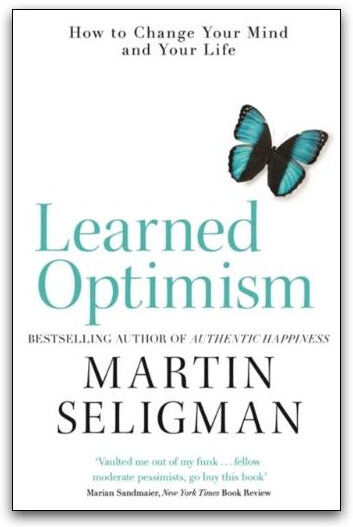
Nicholas Brealey Publishing Learned Optimism by Martin E. P. Seligman Positive Psychology, Resilience & Personal GrowthDiscover the life-changing power of positive thinking with Learned Optimism by renowned psychologist and positive psychology pioneer Martin E. P. Seligman. In this influential book, Seligman explains how optimism is not simply an inborn trait—it can be learned. Drawing on decades of psychological research, he introduces practical techniques to help readers recognize negative thought patterns, develop a more constructive outlook, and build resilience in the face of life's challenges. Whether you're looking to improve your mental wellbeing, boost confidence, manage setbacks, or achieve personal and professional success, Learned Optimism provides evidence-based strategies that can help you cultivate a healthier, more positive mindset. Why Readers Love This Book: Written by the founder of positive psychology Research-based techniques for building optimism and resilience Practical exercises to overcome negative thinking Helps improve confidence, wellbeing, and emotional strength Ideal for readers interested in psychology, self-improvement, and mental wellness A modern classic in psychology, Learned Optimism offers practical tools to help you develop a more resilient mindset and lead a happier, more fulfilling life.5,99 £*Shipping: 2,99 £Secure redirect to the provider
-
Inspired Finds Growth Mindset Poster Therapy Office Wall Art Social Worker Decor Print positive Progress Rays 11.81x16.54 InCreate a space that inspires growth, reflection, and positivity with this meaningful growth mindset poster designed for professionals who care deeply about impact. Whether you're a counselor, therapist, or educator, this piece adds purpose to your...46,99 $*Shipping: 0,00 $Secure redirect to the provider
-
Inspired Finds Growth Mindset Poster Therapy Office Wall Art Social Worker Decor Print positive Progress Rays 19.69x29.53 InCreate a space that inspires growth, reflection, and positivity with this meaningful growth mindset poster designed for professionals who care deeply about impact. Whether you're a counselor, therapist, or educator, this piece adds purpose to your...60,99 $*Shipping: 0,00 $Secure redirect to the provider
-
Inspired Finds Growth Mindset Poster Therapy Office Wall Art Social Worker Decor Print positive Progress Rays 5.12x7.09 InCreate a space that inspires growth, reflection, and positivity with this meaningful growth mindset poster designed for professionals who care deeply about impact. Whether you're a counselor, therapist, or educator, this piece adds purpose to your...39,99 $*Shipping: 0,00 $Secure redirect to the provider
-
How are hybrid orbitals and molecular orbitals related?
Hybrid orbitals and molecular orbitals are related in that hybrid orbitals are a combination of atomic orbitals that form when atoms bond to create a molecule. These hybrid orbitals then overlap with each other and with other atomic orbitals to form molecular orbitals, which describe the distribution of electrons in a molecule. In other words, hybrid orbitals are the building blocks that contribute to the formation of molecular orbitals, which ultimately determine the bonding and structure of a molecule. **
-
What are antibonding orbitals?
Antibonding orbitals are molecular orbitals that have higher energy than the corresponding bonding orbitals. They result from the destructive interference of atomic orbitals when they combine to form a molecule. Electrons in antibonding orbitals destabilize the molecule and weaken the bond strength between the atoms. Antibonding orbitals are denoted with an asterisk (*) symbol, such as σ* or π*. **
-
What are orbitals 2?
Orbitals are regions in an atom where electrons are likely to be found. Orbitals are described by quantum mechanics and have specific shapes and orientations. Orbitals are labeled by their energy level (n) and sublevel (s, p, d, f), and each sublevel contains a specific number of orbitals with different shapes. For example, the second energy level (n=2) contains an s orbital and three p orbitals, each with a different orientation in space. **
-
What are molecular orbitals?
Molecular orbitals are regions of space around a molecule where the probability of finding an electron is high. They are formed by the combination of atomic orbitals from the individual atoms in the molecule. Molecular orbitals can be bonding, anti-bonding, or non-bonding, and they play a crucial role in determining the electronic structure and properties of molecules. The interaction of these molecular orbitals determines the stability and reactivity of the molecule. **
Similar search terms for Orbitals
-
Inspired Finds Growth Mindset Poster Therapy Office Wall Art Social Worker Decor Print positive Progress Rays 11.81x15.75 InCreate a space that inspires growth, reflection, and positivity with this meaningful growth mindset poster designed for professionals who care deeply about impact. Whether you're a counselor, therapist, or educator, this piece adds purpose to your...45,99 $*Shipping: 0,00 $Secure redirect to the provider
-
Inspired Finds Growth Mindset Poster Therapy Office Wall Art Social Worker Decor Print positive Progress Rays 7.87x9.84 InCreate a space that inspires growth, reflection, and positivity with this meaningful growth mindset poster designed for professionals who care deeply about impact. Whether you're a counselor, therapist, or educator, this piece adds purpose to your...40,99 $*Shipping: 0,00 $Secure redirect to the provider
-
Inspired Finds Growth Mindset Poster Therapy Office Wall Art Social Worker Decor Print positive Progress Rays 15.75x23.62 InCreate a space that inspires growth, reflection, and positivity with this meaningful growth mindset poster designed for professionals who care deeply about impact. Whether you're a counselor, therapist, or educator, this piece adds purpose to your...50,99 $*Shipping: 0,00 $Secure redirect to the provider
-
Inspired Finds Growth Mindset Poster Therapy Office Wall Art Social Worker Decor Print positive Progress Rays 19.69x27.56 InCreate a space that inspires growth, reflection, and positivity with this meaningful growth mindset poster designed for professionals who care deeply about impact. Whether you're a counselor, therapist, or educator, this piece adds purpose to your...58,99 $*Shipping: 0,00 $Secure redirect to the provider
-
Can you sketch atomic orbitals?
As a language model AI, I cannot physically sketch atomic orbitals. However, I can describe them. Atomic orbitals are regions of space around the nucleus of an atom where an electron is likely to be found. They are represented as three-dimensional shapes, such as spheres, dumbbells, and other more complex shapes, which correspond to the probability of finding an electron at a particular location within the orbital. These shapes are determined by the quantum numbers that describe the energy, shape, and orientation of the orbitals. **
-
Why does the building principle require more energy for 3d orbitals than for 4s orbitals?
The building principle requires more energy for 3d orbitals than for 4s orbitals because the 3d orbitals have a higher energy level than the 4s orbitals. This is due to the different shapes and orientations of the orbitals. The 3d orbitals have more complex shapes and orientations, which require more energy to fill and stabilize. Additionally, the 4s orbital is closer to the nucleus, which results in a lower energy level compared to the 3d orbitals. **
-
How do I start learning orbitals?
To start learning about orbitals, it is important to have a basic understanding of atomic structure and quantum mechanics. You can begin by studying the different types of orbitals (s, p, d, f) and their shapes, as well as their energy levels and electron configurations. There are many resources available online, such as textbooks, videos, and online courses, that can help you learn about orbitals in more detail. It is also helpful to practice solving problems and working through examples to solidify your understanding of orbitals. **
-
What are half-filled p orbitals?
Half-filled p orbitals are a type of atomic orbital that contain one electron each. In the p subshell, there are three orbitals (px, py, and pz), each capable of holding two electrons. When a p orbital is half-filled, it means that only one electron is present in that particular orbital. This configuration is often seen in atoms or ions with five valence electrons, such as nitrogen or phosphorus. **
* All prices are inclusive of VAT and, if applicable, plus shipping costs. The offer information is based on the details provided by the respective shop and is updated through automated processes. Real-time updates do not occur, so deviations can occur in individual cases. ** Note: Parts of this content were created by AI.