Buy futurefoundation.eu ?
We are moving the project
futurefoundation.eu .
Are you interested in purchasing the domain
futurefoundation.eu ?
domain@kv-gmbh.de · 0541-91531010
Buy futurefoundation.eu ?
Which tricks are used in interrogations?
In interrogations, various psychological and manipulative tricks are often used to elicit information from the subject. Some common tactics include building rapport with the subject to gain their trust, using persuasive and leading questions to guide the conversation, and employing the good cop/bad cop technique to create a sense of pressure and cooperation. Additionally, interrogators may use deception, such as presenting false evidence or information, to elicit a confession or further information from the subject. These tactics are designed to manipulate the subject's emotions and cognitive processes in order to extract the desired information. **
Why do police officers observe interrogations through mirrored glass panes?
Police officers observe interrogations through mirrored glass panes to ensure that the interrogation is conducted properly and in accordance with the law. This allows them to monitor the behavior of both the suspect and the interrogator without being seen, which can help prevent any misconduct or coercion during the questioning. Additionally, it provides a layer of protection for both the suspect and the officers involved in the interrogation. **

Similar search terms for Interrogations
Top-Angebote
Products related to Interrogations:
-
Inspired Finds Growth Mindset Poster Therapy Office Wall Art Social Worker Decor Print positive Progress Rays 5.12x7.09 InCreate a space that inspires growth, reflection, and positivity with this meaningful growth mindset poster designed for professionals who care deeply about impact. Whether you're a counselor, therapist, or educator, this piece adds purpose to your...39,99 $*Shipping: 0,00 $Secure redirect to the provider
-
Inspired Finds Growth Mindset Poster Therapy Office Wall Art Social Worker Decor Print positive Progress Rays 7.87x9.84 InCreate a space that inspires growth, reflection, and positivity with this meaningful growth mindset poster designed for professionals who care deeply about impact. Whether you're a counselor, therapist, or educator, this piece adds purpose to your...40,99 $*Shipping: 0,00 $Secure redirect to the provider
-
Inspired Finds Growth Mindset Poster Therapy Office Wall Art Social Worker Decor Print positive Progress Rays 19.69x27.56 InCreate a space that inspires growth, reflection, and positivity with this meaningful growth mindset poster designed for professionals who care deeply about impact. Whether you're a counselor, therapist, or educator, this piece adds purpose to your...58,99 $*Shipping: 0,00 $Secure redirect to the provider
-
Inspired Finds Growth Mindset Poster Therapy Office Wall Art Social Worker Decor Print positive Progress Rays 11.81x16.54 InCreate a space that inspires growth, reflection, and positivity with this meaningful growth mindset poster designed for professionals who care deeply about impact. Whether you're a counselor, therapist, or educator, this piece adds purpose to your...46,99 $*Shipping: 0,00 $Secure redirect to the provider




-
Why do police officers observe interrogations through mirrored glass windows?
Police officers observe interrogations through mirrored glass windows to ensure that the interrogation is conducted in a fair and lawful manner. This allows them to monitor the behavior of both the suspect and the interrogator without being seen, which can help prevent any potential misconduct or coercion during the questioning process. Additionally, it provides a level of transparency and accountability in the interrogation process, as officers can testify to what occurred during the interrogation if needed in court. **
-
What kind of trick questions do investigators ask in interrogations to convict criminals?
Investigators may ask trick questions in interrogations to convict criminals by using leading or suggestive language to elicit incriminating responses. They may also ask hypothetical questions to gauge the suspect's reaction and see if they inadvertently reveal information about the crime. Additionally, investigators may ask the same question multiple times in different ways to look for inconsistencies in the suspect's story. These tactics are used to create doubt in the suspect's credibility and build a case against them. **
-
How does growth progress?
Growth progresses through a series of stages, starting from infancy and continuing through childhood, adolescence, and adulthood. During these stages, individuals experience physical, cognitive, emotional, and social development. Factors such as genetics, environment, nutrition, and experiences all play a role in shaping an individual's growth trajectory. As individuals grow, they acquire new skills, knowledge, and perspectives that contribute to their overall development and well-being. **
-
How does language development progress?
Language development progresses in stages, starting with cooing and babbling in infancy, then moving on to single words, two-word phrases, and eventually more complex sentences. Children learn language through exposure to spoken language, imitation, and reinforcement from caregivers. As they grow, they continue to expand their vocabulary, grammar, and communication skills through interactions with others and practice in various social contexts. Language development is a gradual process that is influenced by both biological factors and environmental experiences. **


How does human development progress?
Human development progresses through a series of stages that are influenced by both biological and environmental factors. These stages include physical, cognitive, emotional, and social development. As individuals grow and mature, they acquire new skills, knowledge, and experiences that shape their understanding of the world and their place in it. Development is a lifelong process that continues from infancy through adulthood and is influenced by a combination of genetics, environment, and personal experiences. **
How does sensory development progress?
Sensory development progresses through a series of stages, beginning with basic sensory experiences such as touch, taste, and smell in infancy. As children grow, they develop more refined sensory abilities, such as improved vision and hearing, and begin to integrate sensory information to make sense of their environment. This process continues into adolescence and adulthood, with individuals becoming more adept at interpreting and responding to sensory stimuli. Overall, sensory development progresses from basic sensory experiences to more complex and integrated sensory abilities as individuals mature. **
Top-Angebote
Products related to Interrogations:
-
Inspired Finds Growth Mindset Poster Therapy Office Wall Art Social Worker Decor Print positive Progress Rays 15.75x23.62 InCreate a space that inspires growth, reflection, and positivity with this meaningful growth mindset poster designed for professionals who care deeply about impact. Whether you're a counselor, therapist, or educator, this piece adds purpose to your...50,99 $*Shipping: 0,00 $Secure redirect to the provider
-
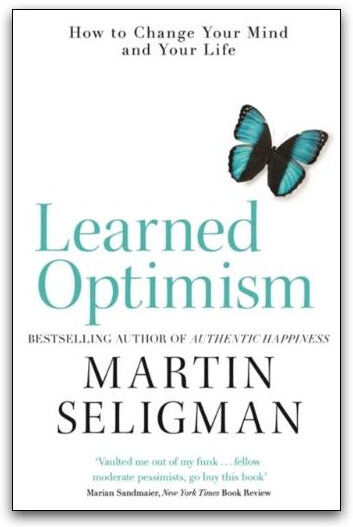
Nicholas Brealey Publishing Learned Optimism by Martin E. P. Seligman Positive Psychology, Resilience & Personal GrowthDiscover the life-changing power of positive thinking with Learned Optimism by renowned psychologist and positive psychology pioneer Martin E. P. Seligman. In this influential book, Seligman explains how optimism is not simply an inborn trait—it can be learned. Drawing on decades of psychological research, he introduces practical techniques to help readers recognize negative thought patterns, develop a more constructive outlook, and build resilience in the face of life's challenges. Whether you're looking to improve your mental wellbeing, boost confidence, manage setbacks, or achieve personal and professional success, Learned Optimism provides evidence-based strategies that can help you cultivate a healthier, more positive mindset. Why Readers Love This Book: Written by the founder of positive psychology Research-based techniques for building optimism and resilience Practical exercises to overcome negative thinking Helps improve confidence, wellbeing, and emotional strength Ideal for readers interested in psychology, self-improvement, and mental wellness A modern classic in psychology, Learned Optimism offers practical tools to help you develop a more resilient mindset and lead a happier, more fulfilling life.5,99 £*Shipping: 2,99 £Secure redirect to the provider
-
Inspired Finds Growth Mindset Poster Therapy Office Wall Art Social Worker Decor Print positive Progress Rays 5.12x7.09 InCreate a space that inspires growth, reflection, and positivity with this meaningful growth mindset poster designed for professionals who care deeply about impact. Whether you're a counselor, therapist, or educator, this piece adds purpose to your...39,99 $*Shipping: 0,00 $Secure redirect to the provider
-
Inspired Finds Growth Mindset Poster Therapy Office Wall Art Social Worker Decor Print positive Progress Rays 7.87x9.84 InCreate a space that inspires growth, reflection, and positivity with this meaningful growth mindset poster designed for professionals who care deeply about impact. Whether you're a counselor, therapist, or educator, this piece adds purpose to your...40,99 $*Shipping: 0,00 $Secure redirect to the provider
-
Which tricks are used in interrogations?
In interrogations, various psychological and manipulative tricks are often used to elicit information from the subject. Some common tactics include building rapport with the subject to gain their trust, using persuasive and leading questions to guide the conversation, and employing the good cop/bad cop technique to create a sense of pressure and cooperation. Additionally, interrogators may use deception, such as presenting false evidence or information, to elicit a confession or further information from the subject. These tactics are designed to manipulate the subject's emotions and cognitive processes in order to extract the desired information. **
-
Why do police officers observe interrogations through mirrored glass panes?
Police officers observe interrogations through mirrored glass panes to ensure that the interrogation is conducted properly and in accordance with the law. This allows them to monitor the behavior of both the suspect and the interrogator without being seen, which can help prevent any misconduct or coercion during the questioning. Additionally, it provides a layer of protection for both the suspect and the officers involved in the interrogation. **
-
Why do police officers observe interrogations through mirrored glass windows?
Police officers observe interrogations through mirrored glass windows to ensure that the interrogation is conducted in a fair and lawful manner. This allows them to monitor the behavior of both the suspect and the interrogator without being seen, which can help prevent any potential misconduct or coercion during the questioning process. Additionally, it provides a level of transparency and accountability in the interrogation process, as officers can testify to what occurred during the interrogation if needed in court. **
-
What kind of trick questions do investigators ask in interrogations to convict criminals?
Investigators may ask trick questions in interrogations to convict criminals by using leading or suggestive language to elicit incriminating responses. They may also ask hypothetical questions to gauge the suspect's reaction and see if they inadvertently reveal information about the crime. Additionally, investigators may ask the same question multiple times in different ways to look for inconsistencies in the suspect's story. These tactics are used to create doubt in the suspect's credibility and build a case against them. **
Similar search terms for Interrogations
-
Inspired Finds Growth Mindset Poster Therapy Office Wall Art Social Worker Decor Print positive Progress Rays 19.69x27.56 InCreate a space that inspires growth, reflection, and positivity with this meaningful growth mindset poster designed for professionals who care deeply about impact. Whether you're a counselor, therapist, or educator, this piece adds purpose to your...58,99 $*Shipping: 0,00 $Secure redirect to the provider
-
Inspired Finds Growth Mindset Poster Therapy Office Wall Art Social Worker Decor Print positive Progress Rays 11.81x16.54 InCreate a space that inspires growth, reflection, and positivity with this meaningful growth mindset poster designed for professionals who care deeply about impact. Whether you're a counselor, therapist, or educator, this piece adds purpose to your...46,99 $*Shipping: 0,00 $Secure redirect to the provider
-
Inspired Finds Growth Mindset Poster Therapy Office Wall Art Social Worker Decor Print positive Progress Rays 8.27x11.81 InCreate a space that inspires growth, reflection, and positivity with this meaningful growth mindset poster designed for professionals who care deeply about impact. Whether you're a counselor, therapist, or educator, this piece adds purpose to your...43,99 $*Shipping: 0,00 $Secure redirect to the provider
-
Inspired Finds Growth Mindset Poster Therapy Office Wall Art Social Worker Decor Print positive Progress Rays 19.69x29.53 InCreate a space that inspires growth, reflection, and positivity with this meaningful growth mindset poster designed for professionals who care deeply about impact. Whether you're a counselor, therapist, or educator, this piece adds purpose to your...60,99 $*Shipping: 0,00 $Secure redirect to the provider
-
How does growth progress?
Growth progresses through a series of stages, starting from infancy and continuing through childhood, adolescence, and adulthood. During these stages, individuals experience physical, cognitive, emotional, and social development. Factors such as genetics, environment, nutrition, and experiences all play a role in shaping an individual's growth trajectory. As individuals grow, they acquire new skills, knowledge, and perspectives that contribute to their overall development and well-being. **
-
How does language development progress?
Language development progresses in stages, starting with cooing and babbling in infancy, then moving on to single words, two-word phrases, and eventually more complex sentences. Children learn language through exposure to spoken language, imitation, and reinforcement from caregivers. As they grow, they continue to expand their vocabulary, grammar, and communication skills through interactions with others and practice in various social contexts. Language development is a gradual process that is influenced by both biological factors and environmental experiences. **
-
How does human development progress?
Human development progresses through a series of stages that are influenced by both biological and environmental factors. These stages include physical, cognitive, emotional, and social development. As individuals grow and mature, they acquire new skills, knowledge, and experiences that shape their understanding of the world and their place in it. Development is a lifelong process that continues from infancy through adulthood and is influenced by a combination of genetics, environment, and personal experiences. **
-
How does sensory development progress?
Sensory development progresses through a series of stages, beginning with basic sensory experiences such as touch, taste, and smell in infancy. As children grow, they develop more refined sensory abilities, such as improved vision and hearing, and begin to integrate sensory information to make sense of their environment. This process continues into adolescence and adulthood, with individuals becoming more adept at interpreting and responding to sensory stimuli. Overall, sensory development progresses from basic sensory experiences to more complex and integrated sensory abilities as individuals mature. **
* All prices are inclusive of VAT and, if applicable, plus shipping costs. The offer information is based on the details provided by the respective shop and is updated through automated processes. Real-time updates do not occur, so deviations can occur in individual cases. ** Note: Parts of this content were created by AI.