Buy futurefoundation.eu ?
We are moving the project
futurefoundation.eu .
Are you interested in purchasing the domain
futurefoundation.eu ?
domain@kv-gmbh.de · 0541-91531010
Buy futurefoundation.eu ?
Is the voltage tester, phase tester, and non-contact voltage tester dangerous?
Yes, the voltage tester, phase tester, and non-contact voltage tester can be dangerous if not used properly. These tools are designed to detect the presence of electrical current, which can be harmful if mishandled. It is important to follow safety precautions, such as wearing insulated gloves and ensuring the tools are in good working condition, to avoid the risk of electric shock or injury. Proper training and knowledge of how to use these tools safely are essential to prevent accidents. **
What is the difference between antifreeze and writing antifreeze?
Antifreeze is a substance used in a vehicle's cooling system to prevent the engine from freezing in cold temperatures and overheating in hot temperatures. Writing antifreeze, on the other hand, is a product used to prevent ink from freezing in pens and other writing instruments in cold temperatures. While both serve the purpose of preventing freezing, they are used in different contexts and for different applications. Antifreeze is used in automotive and industrial applications, while writing antifreeze is used in office and personal settings. **

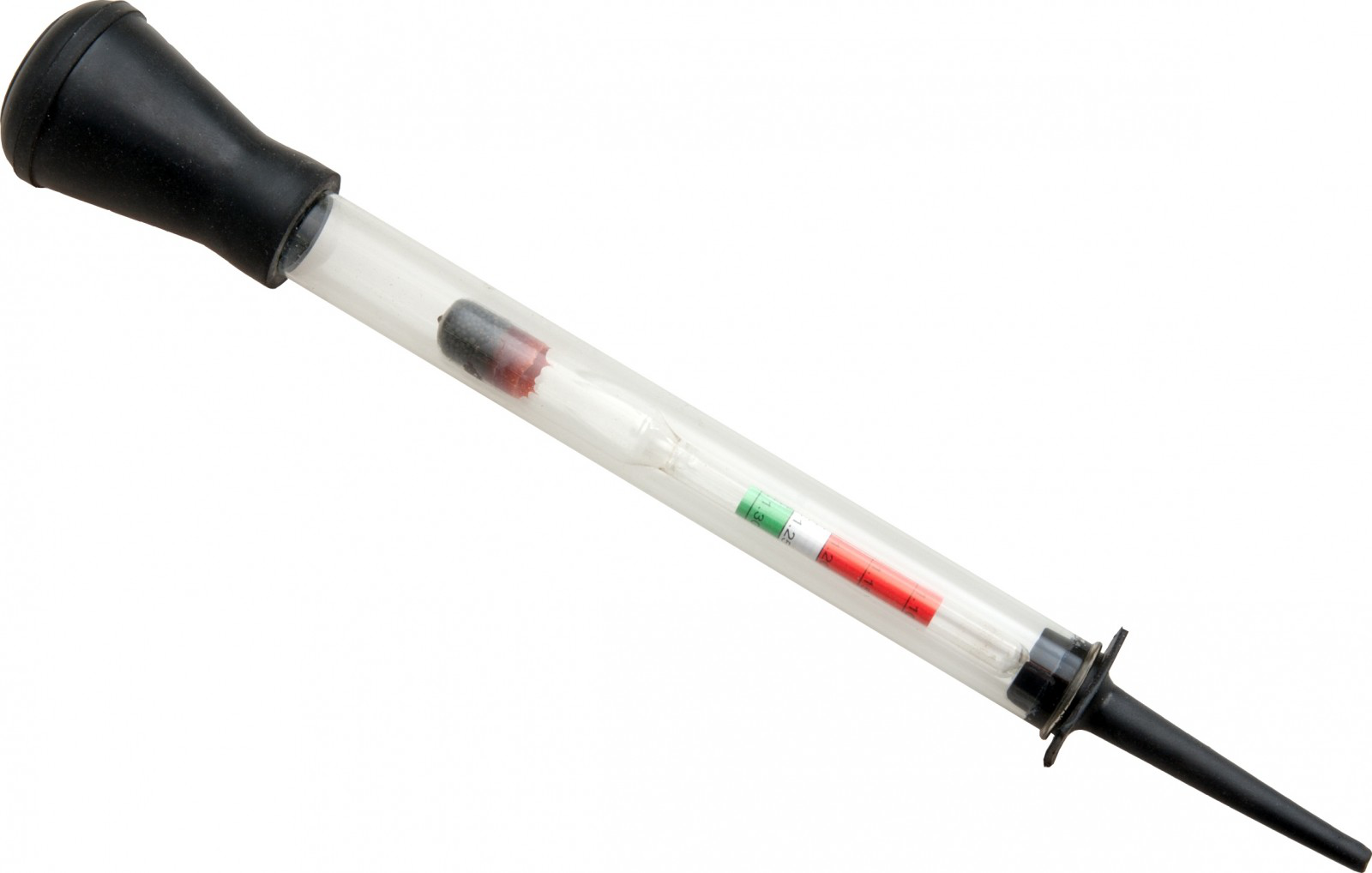
Similar search terms for HPAUTO-18150-Antifreeze-Tester
Top-Angebote
Products related to HPAUTO-18150-Antifreeze-Tester:
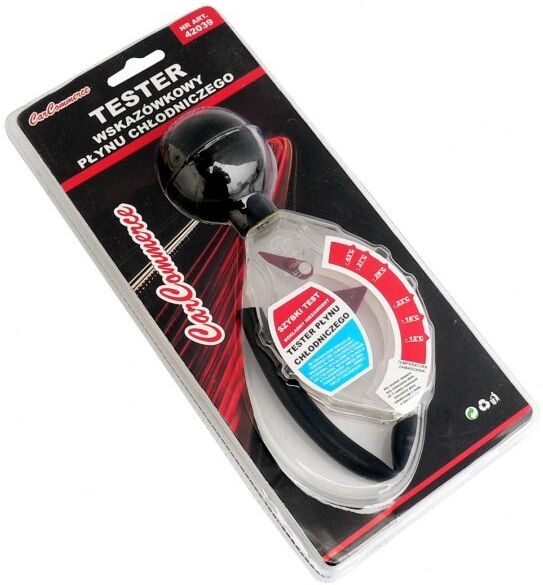
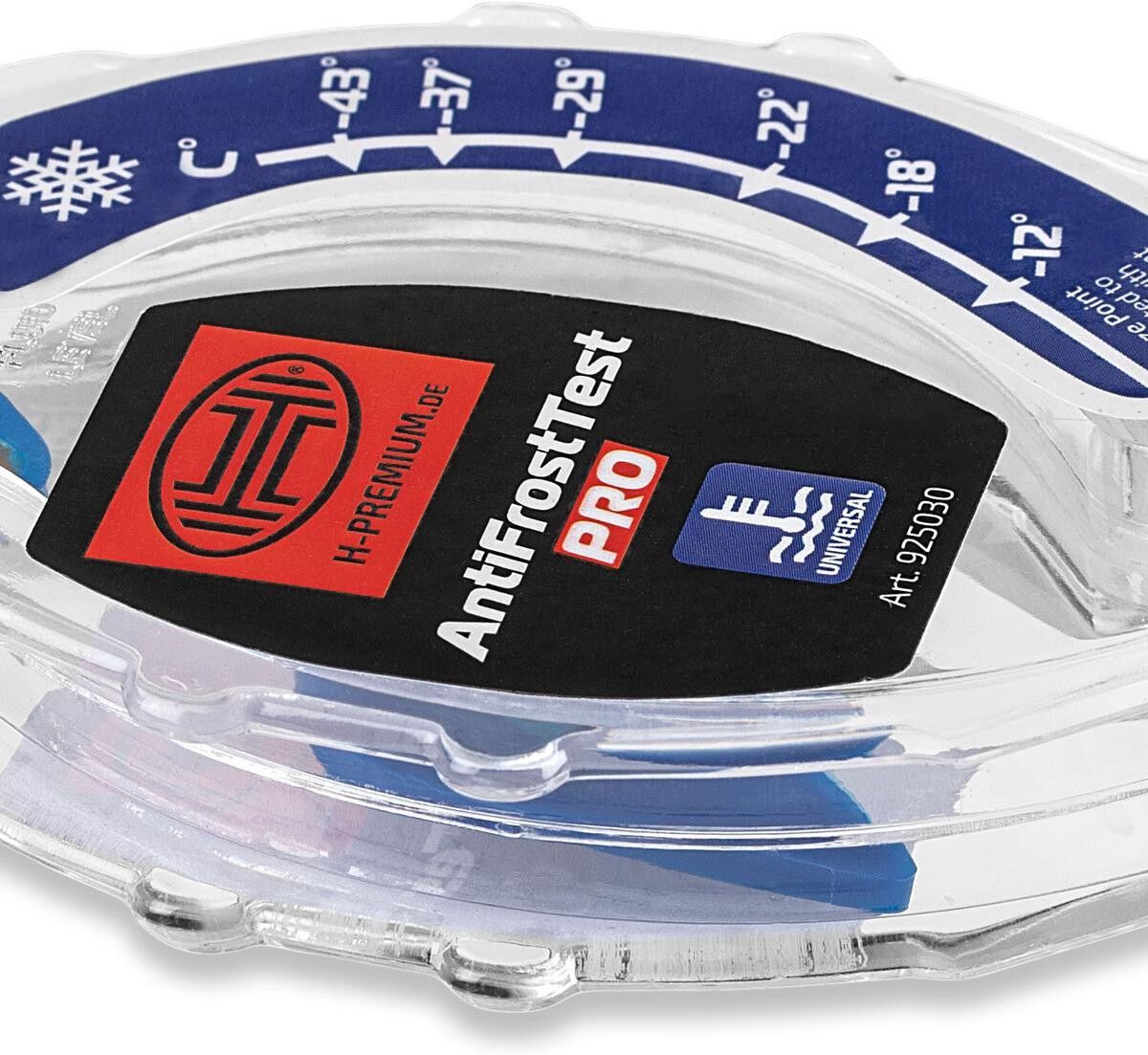


-
Can antifreeze freeze?
Yes, antifreeze can freeze. Antifreeze is designed to lower the freezing point of water, but it is not immune to freezing itself. The freezing point of antifreeze depends on its chemical composition, with most types freezing at temperatures below 0 degrees Celsius. Therefore, in extremely cold conditions, antifreeze can still freeze, potentially causing damage to a vehicle's cooling system. **
-
What is the difference between antifreeze concentrate and regular antifreeze?
Antifreeze concentrate is a more potent form of antifreeze that needs to be diluted with water before use, typically in a 50/50 ratio. Regular antifreeze, on the other hand, is already pre-diluted and ready to be used in a vehicle's cooling system. Antifreeze concentrate is more cost-effective and allows for more control over the mixture ratio, while regular antifreeze is more convenient and ready to use without any additional steps. Both types of antifreeze serve the same purpose of preventing freezing and overheating in a vehicle's engine. **
-
What is antifreeze 2?
Antifreeze 2 is a type of coolant that is used in vehicles to prevent the engine from freezing in cold temperatures and overheating in hot temperatures. It is typically a mixture of water and chemicals, such as ethylene glycol or propylene glycol, that lower the freezing point and raise the boiling point of the coolant. Antifreeze 2 is important for maintaining the proper operating temperature of the engine and preventing damage from extreme temperatures. **
-
What is antifreeze 3?
Antifreeze 3 is a type of coolant used in automotive engines to prevent freezing and overheating. It is a mixture of water and chemicals, such as ethylene glycol or propylene glycol, that lower the freezing point and raise the boiling point of the coolant. Antifreeze 3 also contains corrosion inhibitors to protect the engine's components from rust and corrosion. It is important to regularly check and maintain the antifreeze 3 levels in a vehicle to ensure proper engine function. **

What is radiator antifreeze?
Radiator antifreeze, also known as coolant, is a liquid substance that is added to a vehicle's radiator to help regulate the engine's temperature. It is typically a mixture of water and ethylene glycol or propylene glycol, along with other additives to prevent corrosion and lubricate the water pump. Antifreeze helps to prevent the engine from freezing in cold temperatures and also helps to prevent it from overheating in hot temperatures. It is an essential component for maintaining the proper functioning of a vehicle's cooling system. **
Is it permissible to mix different antifreeze products? Can something break if yellow antifreeze is mixed with blue antifreeze?
It is generally not recommended to mix different antifreeze products as they are formulated with specific chemical compositions that may not work well together. Mixing yellow antifreeze with blue antifreeze can potentially cause chemical reactions that may lead to the formation of sludge or gel-like substances, which can clog the cooling system and cause overheating. It is best to stick with one type of antifreeze recommended by the manufacturer for your vehicle to avoid any potential issues. **
Top-Angebote
Products related to HPAUTO-18150-Antifreeze-Tester:
-
Is the voltage tester, phase tester, and non-contact voltage tester dangerous?
Yes, the voltage tester, phase tester, and non-contact voltage tester can be dangerous if not used properly. These tools are designed to detect the presence of electrical current, which can be harmful if mishandled. It is important to follow safety precautions, such as wearing insulated gloves and ensuring the tools are in good working condition, to avoid the risk of electric shock or injury. Proper training and knowledge of how to use these tools safely are essential to prevent accidents. **
-
What is the difference between antifreeze and writing antifreeze?
Antifreeze is a substance used in a vehicle's cooling system to prevent the engine from freezing in cold temperatures and overheating in hot temperatures. Writing antifreeze, on the other hand, is a product used to prevent ink from freezing in pens and other writing instruments in cold temperatures. While both serve the purpose of preventing freezing, they are used in different contexts and for different applications. Antifreeze is used in automotive and industrial applications, while writing antifreeze is used in office and personal settings. **
-
Can antifreeze freeze?
Yes, antifreeze can freeze. Antifreeze is designed to lower the freezing point of water, but it is not immune to freezing itself. The freezing point of antifreeze depends on its chemical composition, with most types freezing at temperatures below 0 degrees Celsius. Therefore, in extremely cold conditions, antifreeze can still freeze, potentially causing damage to a vehicle's cooling system. **
-
What is the difference between antifreeze concentrate and regular antifreeze?
Antifreeze concentrate is a more potent form of antifreeze that needs to be diluted with water before use, typically in a 50/50 ratio. Regular antifreeze, on the other hand, is already pre-diluted and ready to be used in a vehicle's cooling system. Antifreeze concentrate is more cost-effective and allows for more control over the mixture ratio, while regular antifreeze is more convenient and ready to use without any additional steps. Both types of antifreeze serve the same purpose of preventing freezing and overheating in a vehicle's engine. **
Similar search terms for HPAUTO-18150-Antifreeze-Tester
-
What is antifreeze 2?
Antifreeze 2 is a type of coolant that is used in vehicles to prevent the engine from freezing in cold temperatures and overheating in hot temperatures. It is typically a mixture of water and chemicals, such as ethylene glycol or propylene glycol, that lower the freezing point and raise the boiling point of the coolant. Antifreeze 2 is important for maintaining the proper operating temperature of the engine and preventing damage from extreme temperatures. **
-
What is antifreeze 3?
Antifreeze 3 is a type of coolant used in automotive engines to prevent freezing and overheating. It is a mixture of water and chemicals, such as ethylene glycol or propylene glycol, that lower the freezing point and raise the boiling point of the coolant. Antifreeze 3 also contains corrosion inhibitors to protect the engine's components from rust and corrosion. It is important to regularly check and maintain the antifreeze 3 levels in a vehicle to ensure proper engine function. **
-
What is radiator antifreeze?
Radiator antifreeze, also known as coolant, is a liquid substance that is added to a vehicle's radiator to help regulate the engine's temperature. It is typically a mixture of water and ethylene glycol or propylene glycol, along with other additives to prevent corrosion and lubricate the water pump. Antifreeze helps to prevent the engine from freezing in cold temperatures and also helps to prevent it from overheating in hot temperatures. It is an essential component for maintaining the proper functioning of a vehicle's cooling system. **
-
Is it permissible to mix different antifreeze products? Can something break if yellow antifreeze is mixed with blue antifreeze?
It is generally not recommended to mix different antifreeze products as they are formulated with specific chemical compositions that may not work well together. Mixing yellow antifreeze with blue antifreeze can potentially cause chemical reactions that may lead to the formation of sludge or gel-like substances, which can clog the cooling system and cause overheating. It is best to stick with one type of antifreeze recommended by the manufacturer for your vehicle to avoid any potential issues. **
* All prices are inclusive of VAT and, if applicable, plus shipping costs. The offer information is based on the details provided by the respective shop and is updated through automated processes. Real-time updates do not occur, so deviations can occur in individual cases. ** Note: Parts of this content were created by AI.