Buy futurefoundation.eu ?
We are moving the project
futurefoundation.eu .
Are you interested in purchasing the domain
futurefoundation.eu ?
domain@kv-gmbh.de · 0541-91531010
Buy futurefoundation.eu ?
Where does the Eurasian Jay nest?
The Eurasian Jay nests in trees, usually choosing a dense coniferous or mixed woodland habitat. They build their nests in the fork of a tree, using twigs, roots, and moss to create a sturdy structure. The nest is often well-hidden and can be located at various heights within the tree canopy. The Eurasian Jay is known for its secretive nesting behavior, making it challenging to spot their nests in the wild. **
Does it work with a Eurasian cat?
Yes, the Catit Senses 2.0 Food Tree can work with a Eurasian cat. The adjustable levels of difficulty can be set to accommodate the cat's skill level and provide mental stimulation during feeding time. The interactive nature of the food tree can engage a Eurasian cat's natural hunting instincts and encourage physical activity. Overall, the Catit Senses 2.0 Food Tree can be a beneficial and entertaining feeding solution for a Eurasian cat. **

Similar search terms for Eurasian
Top-Angebote
Products related to Eurasian:
-
Inspired Finds Growth Mindset Poster Therapy Office Wall Art Social Worker Decor Print positive Progress Rays 8.27x11.81 InCreate a space that inspires growth, reflection, and positivity with this meaningful growth mindset poster designed for professionals who care deeply about impact. Whether you're a counselor, therapist, or educator, this piece adds purpose to your...43,99 $*Shipping: 0,00 $Secure redirect to the provider
-
Inspired Finds Growth Mindset Poster Therapy Office Wall Art Social Worker Decor Print positive Progress Rays 7.87x9.84 InCreate a space that inspires growth, reflection, and positivity with this meaningful growth mindset poster designed for professionals who care deeply about impact. Whether you're a counselor, therapist, or educator, this piece adds purpose to your...40,99 $*Shipping: 0,00 $Secure redirect to the provider
-
Inspired Finds Growth Mindset Poster Therapy Office Wall Art Social Worker Decor Print positive Progress Rays 19.69x27.56 InCreate a space that inspires growth, reflection, and positivity with this meaningful growth mindset poster designed for professionals who care deeply about impact. Whether you're a counselor, therapist, or educator, this piece adds purpose to your...58,99 $*Shipping: 0,00 $Secure redirect to the provider
-
Inspired Finds Growth Mindset Poster Therapy Office Wall Art Social Worker Decor Print positive Progress Rays 11.81x15.75 InCreate a space that inspires growth, reflection, and positivity with this meaningful growth mindset poster designed for professionals who care deeply about impact. Whether you're a counselor, therapist, or educator, this piece adds purpose to your...45,99 $*Shipping: 0,00 $Secure redirect to the provider




-
What do Eurasian jays do in the winter?
In the winter, Eurasian jays typically form small flocks to forage for food together. They are known to cache food during the autumn months to sustain them through the winter when food sources are scarce. Eurasian jays are opportunistic feeders and will eat a variety of foods including seeds, insects, and small vertebrates. They are also known to visit bird feeders in gardens during the winter months. **
-
Are there differences between Eurasian male dogs and females?
Yes, there are differences between Eurasian male dogs and females. In general, male dogs tend to be larger in size and have more muscular builds compared to females. Males may also exhibit more dominant behaviors, such as marking territory and being more assertive. Additionally, female dogs may go into heat and have a heat cycle, which can affect their behavior and require special care. **
-
Where in Germany is the Eurasian teal still breeding?
The Eurasian teal is still breeding in various regions of Germany, including the northern coastal areas such as the Wadden Sea and the Baltic Sea coast. These areas provide suitable breeding habitats for the Eurasian teal, with their wetlands, marshes, and shallow coastal waters. Conservation efforts in these regions aim to protect the breeding grounds of the Eurasian teal and other waterfowl species. **
-
Which bird could this be? A Eurasian Jay (Garrulus glandarius)?
The Eurasian Jay (Garrulus glandarius) is a medium-sized bird with distinctive pinkish-brown plumage, a black moustache-like stripe on its face, and bright blue patches on its wings. It is known for its loud and harsh calls, as well as its shy and secretive nature. The Eurasian Jay is commonly found in woodlands and forests across Europe and parts of Asia. **


What could have caused the death of the Eurasian Jay?
The death of the Eurasian Jay could have been caused by a variety of factors, including disease, predation, or environmental hazards. Disease, such as avian flu or West Nile virus, could have weakened the bird's immune system and led to its demise. Predation by other animals, such as cats or birds of prey, is also a common cause of death for many bird species. Additionally, environmental hazards such as extreme weather, pollution, or habitat destruction could have contributed to the bird's death. Without further information, it is difficult to determine the exact cause of death for the Eurasian Jay. **
What to do when Eurasian collared dove chicks are left alone?
If you come across Eurasian collared dove chicks that are left alone, it's important to first assess the situation. If the chicks are in immediate danger, such as being in the path of predators or extreme weather, it may be necessary to intervene. However, it's best to observe from a distance for a while, as the parents may be nearby and returning to care for the chicks. If the parents do not return after a significant amount of time, it may be necessary to contact a local wildlife rehabilitator for guidance on how to care for the chicks. It's important to handle the chicks as little as possible and to keep them warm and safe until help can be obtained. **
Top-Angebote
Products related to Eurasian:
-
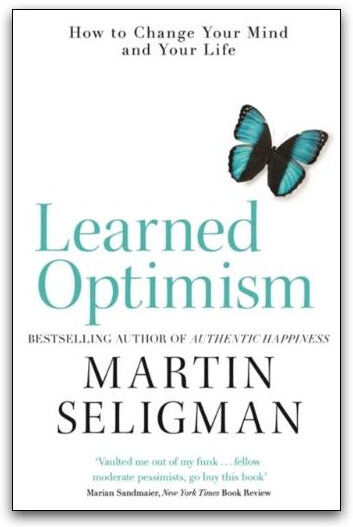
Nicholas Brealey Publishing Learned Optimism by Martin E. P. Seligman Positive Psychology, Resilience & Personal GrowthDiscover the life-changing power of positive thinking with Learned Optimism by renowned psychologist and positive psychology pioneer Martin E. P. Seligman. In this influential book, Seligman explains how optimism is not simply an inborn trait—it can be learned. Drawing on decades of psychological research, he introduces practical techniques to help readers recognize negative thought patterns, develop a more constructive outlook, and build resilience in the face of life's challenges. Whether you're looking to improve your mental wellbeing, boost confidence, manage setbacks, or achieve personal and professional success, Learned Optimism provides evidence-based strategies that can help you cultivate a healthier, more positive mindset. Why Readers Love This Book: Written by the founder of positive psychology Research-based techniques for building optimism and resilience Practical exercises to overcome negative thinking Helps improve confidence, wellbeing, and emotional strength Ideal for readers interested in psychology, self-improvement, and mental wellness A modern classic in psychology, Learned Optimism offers practical tools to help you develop a more resilient mindset and lead a happier, more fulfilling life.5,99 £*Shipping: 2,99 £Secure redirect to the provider
-
Inspired Finds Growth Mindset Poster Therapy Office Wall Art Social Worker Decor Print positive Progress Rays 19.69x29.53 InCreate a space that inspires growth, reflection, and positivity with this meaningful growth mindset poster designed for professionals who care deeply about impact. Whether you're a counselor, therapist, or educator, this piece adds purpose to your...60,99 $*Shipping: 0,00 $Secure redirect to the provider
-
Inspired Finds Growth Mindset Poster Therapy Office Wall Art Social Worker Decor Print positive Progress Rays 8.27x11.81 InCreate a space that inspires growth, reflection, and positivity with this meaningful growth mindset poster designed for professionals who care deeply about impact. Whether you're a counselor, therapist, or educator, this piece adds purpose to your...43,99 $*Shipping: 0,00 $Secure redirect to the provider
-
Inspired Finds Growth Mindset Poster Therapy Office Wall Art Social Worker Decor Print positive Progress Rays 7.87x9.84 InCreate a space that inspires growth, reflection, and positivity with this meaningful growth mindset poster designed for professionals who care deeply about impact. Whether you're a counselor, therapist, or educator, this piece adds purpose to your...40,99 $*Shipping: 0,00 $Secure redirect to the provider
-
Where does the Eurasian Jay nest?
The Eurasian Jay nests in trees, usually choosing a dense coniferous or mixed woodland habitat. They build their nests in the fork of a tree, using twigs, roots, and moss to create a sturdy structure. The nest is often well-hidden and can be located at various heights within the tree canopy. The Eurasian Jay is known for its secretive nesting behavior, making it challenging to spot their nests in the wild. **
-
Does it work with a Eurasian cat?
Yes, the Catit Senses 2.0 Food Tree can work with a Eurasian cat. The adjustable levels of difficulty can be set to accommodate the cat's skill level and provide mental stimulation during feeding time. The interactive nature of the food tree can engage a Eurasian cat's natural hunting instincts and encourage physical activity. Overall, the Catit Senses 2.0 Food Tree can be a beneficial and entertaining feeding solution for a Eurasian cat. **
-
What do Eurasian jays do in the winter?
In the winter, Eurasian jays typically form small flocks to forage for food together. They are known to cache food during the autumn months to sustain them through the winter when food sources are scarce. Eurasian jays are opportunistic feeders and will eat a variety of foods including seeds, insects, and small vertebrates. They are also known to visit bird feeders in gardens during the winter months. **
-
Are there differences between Eurasian male dogs and females?
Yes, there are differences between Eurasian male dogs and females. In general, male dogs tend to be larger in size and have more muscular builds compared to females. Males may also exhibit more dominant behaviors, such as marking territory and being more assertive. Additionally, female dogs may go into heat and have a heat cycle, which can affect their behavior and require special care. **
Similar search terms for Eurasian
-
Inspired Finds Growth Mindset Poster Therapy Office Wall Art Social Worker Decor Print positive Progress Rays 19.69x27.56 InCreate a space that inspires growth, reflection, and positivity with this meaningful growth mindset poster designed for professionals who care deeply about impact. Whether you're a counselor, therapist, or educator, this piece adds purpose to your...58,99 $*Shipping: 0,00 $Secure redirect to the provider
-
Inspired Finds Growth Mindset Poster Therapy Office Wall Art Social Worker Decor Print positive Progress Rays 11.81x15.75 InCreate a space that inspires growth, reflection, and positivity with this meaningful growth mindset poster designed for professionals who care deeply about impact. Whether you're a counselor, therapist, or educator, this piece adds purpose to your...45,99 $*Shipping: 0,00 $Secure redirect to the provider
-
Inspired Finds Growth Mindset Poster Therapy Office Wall Art Social Worker Decor Print positive Progress Rays 15.75x19.69 InCreate a space that inspires growth, reflection, and positivity with this meaningful growth mindset poster designed for professionals who care deeply about impact. Whether you're a counselor, therapist, or educator, this piece adds purpose to your...47,99 $*Shipping: 0,00 $Secure redirect to the provider
-
Inspired Finds Growth Mindset Poster Therapy Office Wall Art Social Worker Decor Print positive Progress Rays 11.81x16.54 InCreate a space that inspires growth, reflection, and positivity with this meaningful growth mindset poster designed for professionals who care deeply about impact. Whether you're a counselor, therapist, or educator, this piece adds purpose to your...46,99 $*Shipping: 0,00 $Secure redirect to the provider
-
Where in Germany is the Eurasian teal still breeding?
The Eurasian teal is still breeding in various regions of Germany, including the northern coastal areas such as the Wadden Sea and the Baltic Sea coast. These areas provide suitable breeding habitats for the Eurasian teal, with their wetlands, marshes, and shallow coastal waters. Conservation efforts in these regions aim to protect the breeding grounds of the Eurasian teal and other waterfowl species. **
-
Which bird could this be? A Eurasian Jay (Garrulus glandarius)?
The Eurasian Jay (Garrulus glandarius) is a medium-sized bird with distinctive pinkish-brown plumage, a black moustache-like stripe on its face, and bright blue patches on its wings. It is known for its loud and harsh calls, as well as its shy and secretive nature. The Eurasian Jay is commonly found in woodlands and forests across Europe and parts of Asia. **
-
What could have caused the death of the Eurasian Jay?
The death of the Eurasian Jay could have been caused by a variety of factors, including disease, predation, or environmental hazards. Disease, such as avian flu or West Nile virus, could have weakened the bird's immune system and led to its demise. Predation by other animals, such as cats or birds of prey, is also a common cause of death for many bird species. Additionally, environmental hazards such as extreme weather, pollution, or habitat destruction could have contributed to the bird's death. Without further information, it is difficult to determine the exact cause of death for the Eurasian Jay. **
-
What to do when Eurasian collared dove chicks are left alone?
If you come across Eurasian collared dove chicks that are left alone, it's important to first assess the situation. If the chicks are in immediate danger, such as being in the path of predators or extreme weather, it may be necessary to intervene. However, it's best to observe from a distance for a while, as the parents may be nearby and returning to care for the chicks. If the parents do not return after a significant amount of time, it may be necessary to contact a local wildlife rehabilitator for guidance on how to care for the chicks. It's important to handle the chicks as little as possible and to keep them warm and safe until help can be obtained. **
* All prices are inclusive of VAT and, if applicable, plus shipping costs. The offer information is based on the details provided by the respective shop and is updated through automated processes. Real-time updates do not occur, so deviations can occur in individual cases. ** Note: Parts of this content were created by AI.