Buy futurefoundation.eu ?
We are moving the project
futurefoundation.eu .
Are you interested in purchasing the domain
futurefoundation.eu ?
domain@kv-gmbh.de · 0541-91531010
Buy futurefoundation.eu ?
What is the dermis?
The dermis is the middle layer of the skin, located between the epidermis (outer layer) and the subcutaneous tissue (innermost layer). It is made up of connective tissue, blood vessels, hair follicles, and sweat glands. The dermis provides structural support to the skin and contains important components such as collagen and elastin, which give the skin its strength and elasticity. Additionally, the dermis plays a crucial role in regulating body temperature and sensation. **
What is located in the dermis?
The dermis is located between the epidermis and the subcutaneous tissue. It contains blood vessels, nerves, hair follicles, sweat glands, and sebaceous glands. Additionally, the dermis is composed of collagen and elastin fibers, which provide strength, elasticity, and support to the skin. **


Similar search terms for Dermis
Top-Angebote
Products related to Dermis:
-
Daily Deals Depot Sponge Microcrystal Spicules Freeze Dried Powder Collagen Booster, Natural Skin Cell Renewal Treatment Deep Dermis 70 MicrocrystalRejuvenate your skin with our advanced 10pcs Sponge Microcrystal Freezedried Powder Collagen Regeneration Set, a 100% natural biological extract that stimulates skin renewal at the cellular level. Designed for professionals and beauty enthusiasts,...35,97 $*Shipping: 0,00 $Secure redirect to the provider
-
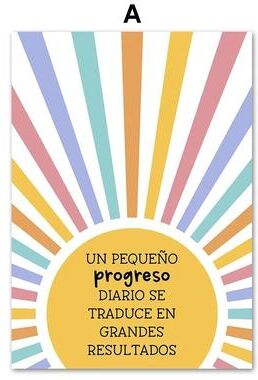
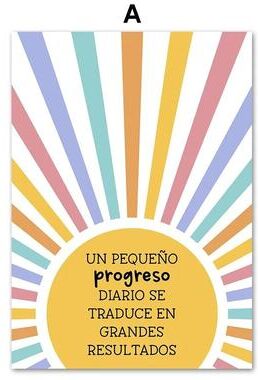
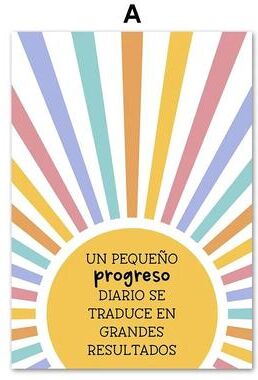
Inspired Finds Growth Mindset Poster Therapy Office Wall Art Social Worker Decor Print positive Progress Rays 15.75x19.69 InCreate a space that inspires growth, reflection, and positivity with this meaningful growth mindset poster designed for professionals who care deeply about impact. Whether you're a counselor, therapist, or educator, this piece adds purpose to your...47,99 $*Shipping: 0,00 $Secure redirect to the provider
-
Inspired Finds Growth Mindset Poster Therapy Office Wall Art Social Worker Decor Print positive Progress Rays 7.87x9.84 InCreate a space that inspires growth, reflection, and positivity with this meaningful growth mindset poster designed for professionals who care deeply about impact. Whether you're a counselor, therapist, or educator, this piece adds purpose to your...40,99 $*Shipping: 0,00 $Secure redirect to the provider
-
Inspired Finds Growth Mindset Poster Therapy Office Wall Art Social Worker Decor Print positive Progress Rays 11.81x15.75 InCreate a space that inspires growth, reflection, and positivity with this meaningful growth mindset poster designed for professionals who care deeply about impact. Whether you're a counselor, therapist, or educator, this piece adds purpose to your...45,99 $*Shipping: 0,00 $Secure redirect to the provider



-
What is the function of the dermis?
The dermis is the middle layer of the skin that provides structural support and elasticity. It contains blood vessels, nerves, hair follicles, and sweat glands. The dermis plays a crucial role in regulating body temperature, providing sensation, and nourishing the upper layer of the skin, the epidermis. Additionally, the dermis helps to protect the body from external threats and maintain overall skin health. **
-
How deep is the dermis and what lies beneath it?
The dermis is the middle layer of the skin, located between the epidermis (top layer) and the subcutaneous tissue (bottom layer). It is typically about 2-4 millimeters thick, but this can vary depending on the location on the body. Beneath the dermis lies the subcutaneous tissue, which is made up of fat and connective tissue that provides insulation and padding for the body. **
-
How deep is the dermis and what is located beneath it?
The dermis is the thickest layer of the skin, located beneath the epidermis. It is typically about 2-4 millimeters thick, but the thickness can vary depending on the location on the body. The dermis contains blood vessels, nerves, hair follicles, and sweat glands, as well as collagen and elastin fibers that give the skin its strength and elasticity. Beneath the dermis is the subcutaneous tissue, also known as the hypodermis, which is made up of fat and connective tissue that insulates the body and provides a cushioning effect. **
-
What are the functions of the epidermis, dermis, and subcutaneous tissue?
The epidermis is the outermost layer of the skin and serves as a protective barrier against environmental factors, such as UV radiation, pathogens, and chemicals. It also helps regulate water loss and temperature. The dermis is the middle layer of the skin and contains blood vessels, nerves, hair follicles, and sweat glands. It provides structural support and elasticity to the skin, as well as housing important sensory receptors for touch, pressure, and pain. The subcutaneous tissue, also known as the hypodermis, is the deepest layer of the skin and consists of fat and connective tissue. It serves as insulation, energy storage, and cushioning for the body, as well as providing a connection between the skin and underlying muscles and bones. **
How does growth progress?
Growth progresses through a series of stages, starting from infancy and continuing through childhood, adolescence, and adulthood. During these stages, individuals experience physical, cognitive, emotional, and social development. Factors such as genetics, environment, nutrition, and experiences all play a role in shaping an individual's growth trajectory. As individuals grow, they acquire new skills, knowledge, and perspectives that contribute to their overall development and well-being. **
How does language development progress?
Language development progresses in stages, starting with cooing and babbling in infancy, then moving on to single words, two-word phrases, and eventually more complex sentences. Children learn language through exposure to spoken language, imitation, and reinforcement from caregivers. As they grow, they continue to expand their vocabulary, grammar, and communication skills through interactions with others and practice in various social contexts. Language development is a gradual process that is influenced by both biological factors and environmental experiences. **
Top-Angebote
Products related to Dermis:
-
Daily Deals Depot Sponge Microcrystal Spicules Freeze Dried Powder Collagen Booster, Natural Skin Cell Renewal Treatment Deep Dermis 50 MicrocrystalRejuvenate your skin with our advanced 10pcs Sponge Microcrystal Freezedried Powder Collagen Regeneration Set, a 100% natural biological extract that stimulates skin renewal at the cellular level. Designed for professionals and beauty enthusiasts,...27,97 $*Shipping: 0,00 $Secure redirect to the provider
-
Inspired Finds Growth Mindset Poster Therapy Office Wall Art Social Worker Decor Print positive Progress Rays 8.27x11.81 InCreate a space that inspires growth, reflection, and positivity with this meaningful growth mindset poster designed for professionals who care deeply about impact. Whether you're a counselor, therapist, or educator, this piece adds purpose to your...43,99 $*Shipping: 0,00 $Secure redirect to the provider
-
Daily Deals Depot Sponge Microcrystal Spicules Freeze Dried Powder Collagen Booster, Natural Skin Cell Renewal Treatment Deep Dermis 70 MicrocrystalRejuvenate your skin with our advanced 10pcs Sponge Microcrystal Freezedried Powder Collagen Regeneration Set, a 100% natural biological extract that stimulates skin renewal at the cellular level. Designed for professionals and beauty enthusiasts,...35,97 $*Shipping: 0,00 $Secure redirect to the provider
-
Inspired Finds Growth Mindset Poster Therapy Office Wall Art Social Worker Decor Print positive Progress Rays 15.75x19.69 InCreate a space that inspires growth, reflection, and positivity with this meaningful growth mindset poster designed for professionals who care deeply about impact. Whether you're a counselor, therapist, or educator, this piece adds purpose to your...47,99 $*Shipping: 0,00 $Secure redirect to the provider
-
What is the dermis?
The dermis is the middle layer of the skin, located between the epidermis (outer layer) and the subcutaneous tissue (innermost layer). It is made up of connective tissue, blood vessels, hair follicles, and sweat glands. The dermis provides structural support to the skin and contains important components such as collagen and elastin, which give the skin its strength and elasticity. Additionally, the dermis plays a crucial role in regulating body temperature and sensation. **
-
What is located in the dermis?
The dermis is located between the epidermis and the subcutaneous tissue. It contains blood vessels, nerves, hair follicles, sweat glands, and sebaceous glands. Additionally, the dermis is composed of collagen and elastin fibers, which provide strength, elasticity, and support to the skin. **
-
What is the function of the dermis?
The dermis is the middle layer of the skin that provides structural support and elasticity. It contains blood vessels, nerves, hair follicles, and sweat glands. The dermis plays a crucial role in regulating body temperature, providing sensation, and nourishing the upper layer of the skin, the epidermis. Additionally, the dermis helps to protect the body from external threats and maintain overall skin health. **
-
How deep is the dermis and what lies beneath it?
The dermis is the middle layer of the skin, located between the epidermis (top layer) and the subcutaneous tissue (bottom layer). It is typically about 2-4 millimeters thick, but this can vary depending on the location on the body. Beneath the dermis lies the subcutaneous tissue, which is made up of fat and connective tissue that provides insulation and padding for the body. **
Similar search terms for Dermis
-
Inspired Finds Growth Mindset Poster Therapy Office Wall Art Social Worker Decor Print positive Progress Rays 7.87x9.84 InCreate a space that inspires growth, reflection, and positivity with this meaningful growth mindset poster designed for professionals who care deeply about impact. Whether you're a counselor, therapist, or educator, this piece adds purpose to your...40,99 $*Shipping: 0,00 $Secure redirect to the provider
-
Inspired Finds Growth Mindset Poster Therapy Office Wall Art Social Worker Decor Print positive Progress Rays 11.81x15.75 InCreate a space that inspires growth, reflection, and positivity with this meaningful growth mindset poster designed for professionals who care deeply about impact. Whether you're a counselor, therapist, or educator, this piece adds purpose to your...45,99 $*Shipping: 0,00 $Secure redirect to the provider
-
Inspired Finds Growth Mindset Poster Therapy Office Wall Art Social Worker Decor Print positive Progress Rays 19.69x27.56 InCreate a space that inspires growth, reflection, and positivity with this meaningful growth mindset poster designed for professionals who care deeply about impact. Whether you're a counselor, therapist, or educator, this piece adds purpose to your...58,99 $*Shipping: 0,00 $Secure redirect to the provider
-
Inspired Finds Growth Mindset Poster Therapy Office Wall Art Social Worker Decor Print positive Progress Rays 19.69x29.53 InCreate a space that inspires growth, reflection, and positivity with this meaningful growth mindset poster designed for professionals who care deeply about impact. Whether you're a counselor, therapist, or educator, this piece adds purpose to your...60,99 $*Shipping: 0,00 $Secure redirect to the provider
-
How deep is the dermis and what is located beneath it?
The dermis is the thickest layer of the skin, located beneath the epidermis. It is typically about 2-4 millimeters thick, but the thickness can vary depending on the location on the body. The dermis contains blood vessels, nerves, hair follicles, and sweat glands, as well as collagen and elastin fibers that give the skin its strength and elasticity. Beneath the dermis is the subcutaneous tissue, also known as the hypodermis, which is made up of fat and connective tissue that insulates the body and provides a cushioning effect. **
-
What are the functions of the epidermis, dermis, and subcutaneous tissue?
The epidermis is the outermost layer of the skin and serves as a protective barrier against environmental factors, such as UV radiation, pathogens, and chemicals. It also helps regulate water loss and temperature. The dermis is the middle layer of the skin and contains blood vessels, nerves, hair follicles, and sweat glands. It provides structural support and elasticity to the skin, as well as housing important sensory receptors for touch, pressure, and pain. The subcutaneous tissue, also known as the hypodermis, is the deepest layer of the skin and consists of fat and connective tissue. It serves as insulation, energy storage, and cushioning for the body, as well as providing a connection between the skin and underlying muscles and bones. **
-
How does growth progress?
Growth progresses through a series of stages, starting from infancy and continuing through childhood, adolescence, and adulthood. During these stages, individuals experience physical, cognitive, emotional, and social development. Factors such as genetics, environment, nutrition, and experiences all play a role in shaping an individual's growth trajectory. As individuals grow, they acquire new skills, knowledge, and perspectives that contribute to their overall development and well-being. **
-
How does language development progress?
Language development progresses in stages, starting with cooing and babbling in infancy, then moving on to single words, two-word phrases, and eventually more complex sentences. Children learn language through exposure to spoken language, imitation, and reinforcement from caregivers. As they grow, they continue to expand their vocabulary, grammar, and communication skills through interactions with others and practice in various social contexts. Language development is a gradual process that is influenced by both biological factors and environmental experiences. **
* All prices are inclusive of VAT and, if applicable, plus shipping costs. The offer information is based on the details provided by the respective shop and is updated through automated processes. Real-time updates do not occur, so deviations can occur in individual cases. ** Note: Parts of this content were created by AI.