Buy futurefoundation.eu ?
We are moving the project
futurefoundation.eu .
Are you interested in purchasing the domain
futurefoundation.eu ?
domain@kv-gmbh.de · 0541-91531010
Buy futurefoundation.eu ?
What are chords?
Chords are a combination of three or more notes played simultaneously in music. They are the building blocks of harmony and are used to create the harmonic structure of a piece of music. Chords can be major, minor, diminished, augmented, or suspended, and they are used to create different moods and emotions in music. In addition to being played on instruments, chords can also be sung by vocalists. **
'Tabs or chords?'
It ultimately depends on the individual's preference and skill level. Tabs are easier for beginners to read and understand, as they provide a visual representation of where to place your fingers on the fretboard. Chords, on the other hand, are essential for understanding the harmonic structure of a song and are necessary for more advanced playing. Both tabs and chords have their place in learning and playing music, and it's beneficial for musicians to be proficient in both. **
Similar search terms for Chords
Top-Angebote
Products related to Chords:
-
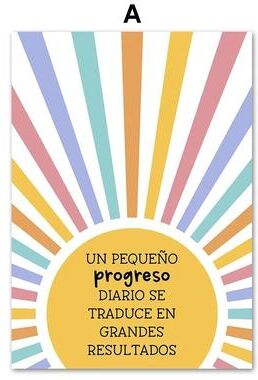
Inspired Finds Growth Mindset Poster Therapy Office Wall Art Social Worker Decor Print positive Progress Rays 19.69x29.53 InCreate a space that inspires growth, reflection, and positivity with this meaningful growth mindset poster designed for professionals who care deeply about impact. Whether you're a counselor, therapist, or educator, this piece adds purpose to your...60,99 $*Shipping: 0,00 $Secure redirect to the provider
-
Inspired Finds Growth Mindset Poster Therapy Office Wall Art Social Worker Decor Print positive Progress Rays 5.12x7.09 InCreate a space that inspires growth, reflection, and positivity with this meaningful growth mindset poster designed for professionals who care deeply about impact. Whether you're a counselor, therapist, or educator, this piece adds purpose to your...39,99 $*Shipping: 0,00 $Secure redirect to the provider
-
Inspired Finds Growth Mindset Poster Therapy Office Wall Art Social Worker Decor Print positive Progress Rays 11.81x15.75 InCreate a space that inspires growth, reflection, and positivity with this meaningful growth mindset poster designed for professionals who care deeply about impact. Whether you're a counselor, therapist, or educator, this piece adds purpose to your...45,99 $*Shipping: 0,00 $Secure redirect to the provider
-
Inspired Finds Growth Mindset Poster Therapy Office Wall Art Social Worker Decor Print positive Progress Rays 7.87x9.84 InCreate a space that inspires growth, reflection, and positivity with this meaningful growth mindset poster designed for professionals who care deeply about impact. Whether you're a counselor, therapist, or educator, this piece adds purpose to your...40,99 $*Shipping: 0,00 $Secure redirect to the provider

-
What are accompanying chords?
Accompanying chords are the chords played by a musician to support and complement the melody or main vocal line. These chords are typically played on a piano, guitar, or other chordal instrument and are used to provide harmonic support and fill out the sound of the music. Accompanying chords are often chosen to create a sense of tension and release, and to add depth and richness to the overall musical arrangement. **
-
Which chords go together?
Chords that go together are typically those that are harmonically related and create a sense of musical resolution. In traditional Western music, the most common chord progression is the I-IV-V-I progression, where the I, IV, and V chords are all in the same key and create a strong sense of resolution when played in that order. Additionally, chords that share common tones or have similar harmonic functions often go well together. Ultimately, the best way to determine which chords go together is to experiment and listen to how different combinations sound to find what works best for the specific musical context. **
-
Chords, chords, and notes are sought for an elevator to the south.
This phrase seems to be a poetic way of expressing the desire for music or harmony in a specific direction, in this case, the south. It suggests a longing for musical elements like chords and notes to create a pleasant atmosphere or experience, perhaps in the context of an elevator ride. The repetition of "chords" emphasizes the importance of musical harmony, while the direction "south" could symbolize a journey or movement towards something positive or uplifting. **
-
Chords, chords and notes are sought for a journey to the south.
In this context, "chords" and "notes" likely refer to musical elements, indicating that music is being sought for the journey to the south. Music can enhance the experience of a journey, setting the mood and creating a sense of adventure or relaxation. The mention of "the south" suggests that the journey may be to a warm, sunny destination, and the search for music implies a desire to enhance the journey with a soundtrack that captures the spirit of the destination. **

How do you determine chords?
Chords are determined by the combination of different notes played simultaneously. The most common chords are built using a root note, a third, and a fifth, creating major or minor chords depending on the interval between the root note and the third. Other chords, such as seventh chords, add additional notes like the seventh on top of the basic triad. Chords can be determined by understanding music theory, experimenting with different combinations of notes, and listening to how they sound together. **
Which tones fit which chords?
In general, major chords tend to have a brighter and more uplifting tone, while minor chords have a more somber and melancholic tone. Dominant chords have a strong and tense sound, often leading to resolution to a tonic chord. Diminished chords have a dissonant and unstable quality, creating tension in music. Each chord type has its own unique tonal quality that can evoke different emotions and moods in a musical piece. **
Top-Angebote
Products related to Chords:
-
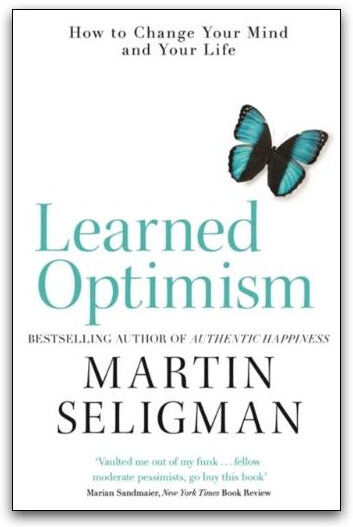
Nicholas Brealey Publishing Learned Optimism by Martin E. P. Seligman Positive Psychology, Resilience & Personal GrowthDiscover the life-changing power of positive thinking with Learned Optimism by renowned psychologist and positive psychology pioneer Martin E. P. Seligman. In this influential book, Seligman explains how optimism is not simply an inborn trait—it can be learned. Drawing on decades of psychological research, he introduces practical techniques to help readers recognize negative thought patterns, develop a more constructive outlook, and build resilience in the face of life's challenges. Whether you're looking to improve your mental wellbeing, boost confidence, manage setbacks, or achieve personal and professional success, Learned Optimism provides evidence-based strategies that can help you cultivate a healthier, more positive mindset. Why Readers Love This Book: Written by the founder of positive psychology Research-based techniques for building optimism and resilience Practical exercises to overcome negative thinking Helps improve confidence, wellbeing, and emotional strength Ideal for readers interested in psychology, self-improvement, and mental wellness A modern classic in psychology, Learned Optimism offers practical tools to help you develop a more resilient mindset and lead a happier, more fulfilling life.5,99 £*Shipping: 2,99 £Secure redirect to the provider
-
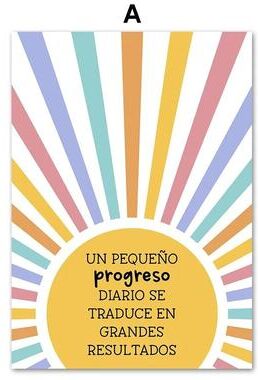
Inspired Finds Growth Mindset Poster Therapy Office Wall Art Social Worker Decor Print positive Progress Rays 11.81x16.54 InCreate a space that inspires growth, reflection, and positivity with this meaningful growth mindset poster designed for professionals who care deeply about impact. Whether you're a counselor, therapist, or educator, this piece adds purpose to your...46,99 $*Shipping: 0,00 $Secure redirect to the provider
-
Inspired Finds Growth Mindset Poster Therapy Office Wall Art Social Worker Decor Print positive Progress Rays 19.69x29.53 InCreate a space that inspires growth, reflection, and positivity with this meaningful growth mindset poster designed for professionals who care deeply about impact. Whether you're a counselor, therapist, or educator, this piece adds purpose to your...60,99 $*Shipping: 0,00 $Secure redirect to the provider
-
Inspired Finds Growth Mindset Poster Therapy Office Wall Art Social Worker Decor Print positive Progress Rays 5.12x7.09 InCreate a space that inspires growth, reflection, and positivity with this meaningful growth mindset poster designed for professionals who care deeply about impact. Whether you're a counselor, therapist, or educator, this piece adds purpose to your...39,99 $*Shipping: 0,00 $Secure redirect to the provider
-
What are chords?
Chords are a combination of three or more notes played simultaneously in music. They are the building blocks of harmony and are used to create the harmonic structure of a piece of music. Chords can be major, minor, diminished, augmented, or suspended, and they are used to create different moods and emotions in music. In addition to being played on instruments, chords can also be sung by vocalists. **
-
'Tabs or chords?'
It ultimately depends on the individual's preference and skill level. Tabs are easier for beginners to read and understand, as they provide a visual representation of where to place your fingers on the fretboard. Chords, on the other hand, are essential for understanding the harmonic structure of a song and are necessary for more advanced playing. Both tabs and chords have their place in learning and playing music, and it's beneficial for musicians to be proficient in both. **
-
What are accompanying chords?
Accompanying chords are the chords played by a musician to support and complement the melody or main vocal line. These chords are typically played on a piano, guitar, or other chordal instrument and are used to provide harmonic support and fill out the sound of the music. Accompanying chords are often chosen to create a sense of tension and release, and to add depth and richness to the overall musical arrangement. **
-
Which chords go together?
Chords that go together are typically those that are harmonically related and create a sense of musical resolution. In traditional Western music, the most common chord progression is the I-IV-V-I progression, where the I, IV, and V chords are all in the same key and create a strong sense of resolution when played in that order. Additionally, chords that share common tones or have similar harmonic functions often go well together. Ultimately, the best way to determine which chords go together is to experiment and listen to how different combinations sound to find what works best for the specific musical context. **
Similar search terms for Chords
-
Inspired Finds Growth Mindset Poster Therapy Office Wall Art Social Worker Decor Print positive Progress Rays 11.81x15.75 InCreate a space that inspires growth, reflection, and positivity with this meaningful growth mindset poster designed for professionals who care deeply about impact. Whether you're a counselor, therapist, or educator, this piece adds purpose to your...45,99 $*Shipping: 0,00 $Secure redirect to the provider
-
Inspired Finds Growth Mindset Poster Therapy Office Wall Art Social Worker Decor Print positive Progress Rays 7.87x9.84 InCreate a space that inspires growth, reflection, and positivity with this meaningful growth mindset poster designed for professionals who care deeply about impact. Whether you're a counselor, therapist, or educator, this piece adds purpose to your...40,99 $*Shipping: 0,00 $Secure redirect to the provider
-
Inspired Finds Growth Mindset Poster Therapy Office Wall Art Social Worker Decor Print positive Progress Rays 15.75x23.62 InCreate a space that inspires growth, reflection, and positivity with this meaningful growth mindset poster designed for professionals who care deeply about impact. Whether you're a counselor, therapist, or educator, this piece adds purpose to your...50,99 $*Shipping: 0,00 $Secure redirect to the provider
-
Inspired Finds Growth Mindset Poster Therapy Office Wall Art Social Worker Decor Print positive Progress Rays 19.69x27.56 InCreate a space that inspires growth, reflection, and positivity with this meaningful growth mindset poster designed for professionals who care deeply about impact. Whether you're a counselor, therapist, or educator, this piece adds purpose to your...58,99 $*Shipping: 0,00 $Secure redirect to the provider
-
Chords, chords, and notes are sought for an elevator to the south.
This phrase seems to be a poetic way of expressing the desire for music or harmony in a specific direction, in this case, the south. It suggests a longing for musical elements like chords and notes to create a pleasant atmosphere or experience, perhaps in the context of an elevator ride. The repetition of "chords" emphasizes the importance of musical harmony, while the direction "south" could symbolize a journey or movement towards something positive or uplifting. **
-
Chords, chords and notes are sought for a journey to the south.
In this context, "chords" and "notes" likely refer to musical elements, indicating that music is being sought for the journey to the south. Music can enhance the experience of a journey, setting the mood and creating a sense of adventure or relaxation. The mention of "the south" suggests that the journey may be to a warm, sunny destination, and the search for music implies a desire to enhance the journey with a soundtrack that captures the spirit of the destination. **
-
How do you determine chords?
Chords are determined by the combination of different notes played simultaneously. The most common chords are built using a root note, a third, and a fifth, creating major or minor chords depending on the interval between the root note and the third. Other chords, such as seventh chords, add additional notes like the seventh on top of the basic triad. Chords can be determined by understanding music theory, experimenting with different combinations of notes, and listening to how they sound together. **
-
Which tones fit which chords?
In general, major chords tend to have a brighter and more uplifting tone, while minor chords have a more somber and melancholic tone. Dominant chords have a strong and tense sound, often leading to resolution to a tonic chord. Diminished chords have a dissonant and unstable quality, creating tension in music. Each chord type has its own unique tonal quality that can evoke different emotions and moods in a musical piece. **
* All prices are inclusive of VAT and, if applicable, plus shipping costs. The offer information is based on the details provided by the respective shop and is updated through automated processes. Real-time updates do not occur, so deviations can occur in individual cases. ** Note: Parts of this content were created by AI.