Buy futurefoundation.eu ?
We are moving the project
futurefoundation.eu .
Are you interested in purchasing the domain
futurefoundation.eu ?
domain@kv-gmbh.de · 0541-91531010
Buy futurefoundation.eu ?
How did the development progress from the end of the Middle Ages to the Industrial Revolution?
The end of the Middle Ages marked the beginning of the Renaissance, a period of great cultural, artistic, and scientific advancements. This was followed by the Age of Exploration, which led to the discovery of new lands and the expansion of trade and commerce. The Scientific Revolution then brought about significant advancements in our understanding of the natural world. These developments set the stage for the Industrial Revolution, which transformed society through the mechanization of production, leading to urbanization and significant technological advancements. Overall, the period from the end of the Middle Ages to the Industrial Revolution was characterized by a series of interconnected developments that propelled society forward in terms of knowledge, technology, and economic growth. **
Why is the Middle Ages actually called the Middle Ages?
The Middle Ages is called so because it is the period of time between the fall of the Roman Empire in the 5th century and the beginning of the Renaissance in the 14th century. It is considered the "middle" period between the classical antiquity of the Roman Empire and the modern era. This period is also known as the medieval period, and it is characterized by the development of feudalism, the rise of Christianity, and the dominance of monarchies in Europe. **

Similar search terms for Ages
Top-Angebote
Products related to Ages:
-
Scholastic Favorite Read Alouds (Ages 7-10)These stories full of action and adventure are sure to be read aloud favorites.This set includes:Spider-Ham: Hollywood May-HamThe Inflatables in Bad Air Day (The Inflatables #1)The Super Cup Face-Off (Geronimo Stilton #81) Favorite Read Alouds (Ages...20,36 $*Shipping: 0,00 $Secure redirect to the provider
-
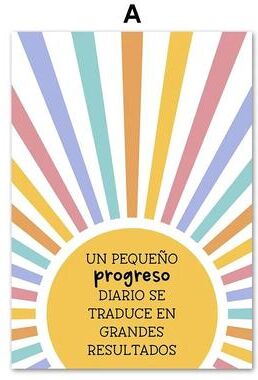
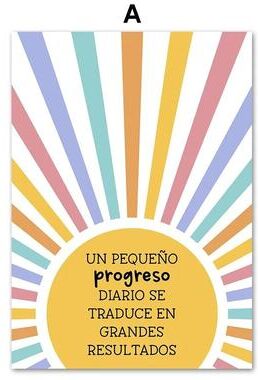
Inspired Finds Growth Mindset Poster Therapy Office Wall Art Social Worker Decor Print positive Progress Rays 15.75x19.69 InCreate a space that inspires growth, reflection, and positivity with this meaningful growth mindset poster designed for professionals who care deeply about impact. Whether you're a counselor, therapist, or educator, this piece adds purpose to your...47,99 $*Shipping: 0,00 $Secure redirect to the provider
-
Inspired Finds Growth Mindset Poster Therapy Office Wall Art Social Worker Decor Print positive Progress Rays 15.75x23.62 InCreate a space that inspires growth, reflection, and positivity with this meaningful growth mindset poster designed for professionals who care deeply about impact. Whether you're a counselor, therapist, or educator, this piece adds purpose to your...50,99 $*Shipping: 0,00 $Secure redirect to the provider



-
What did people in the Middle Ages call the Middle Ages?
During the Middle Ages, people did not refer to that time period as the "Middle Ages." Instead, they viewed themselves as living in the present time and did not have a specific term to describe their era. The concept of dividing history into distinct periods, such as the Middle Ages, Renaissance, and Modern era, was developed by later historians looking back on history. The term "Middle Ages" was first coined in the 15th century by Renaissance scholars who viewed the period between the fall of the Roman Empire and their own time as a "middle" or intermediate period. **
-
Is a growth spurt still possible between the ages of 17 and 20?
While it is less common to experience a significant growth spurt between the ages of 17 and 20, it is still possible for some individuals. Growth plates in the bones typically close around the age of 18 in females and 20 in males, signaling the end of potential growth. Factors such as genetics, nutrition, and overall health can influence whether a growth spurt occurs during this age range. If you are concerned about your growth or development, it is best to consult with a healthcare provider for personalized advice. **
-
How does growth progress?
Growth progresses through a series of stages, starting from infancy and continuing through childhood, adolescence, and adulthood. During these stages, individuals experience physical, cognitive, emotional, and social development. Factors such as genetics, environment, nutrition, and experiences all play a role in shaping an individual's growth trajectory. As individuals grow, they acquire new skills, knowledge, and perspectives that contribute to their overall development and well-being. **
-
Is it possible to have breast growth between the ages of 19 and 21?
Yes, it is possible to have breast growth between the ages of 19 and 21. Breast development can continue into the early 20s for some individuals as the body continues to mature. Factors such as genetics, hormonal changes, weight fluctuations, and pregnancy can all contribute to changes in breast size and shape during this time. It's important to remember that everyone's body develops at its own pace, and there is a wide range of normal breast development during late adolescence and early adulthood. **
What were the causes of population growth in the High Middle Ages in Switzerland?
The population growth in the High Middle Ages in Switzerland can be attributed to several factors. Firstly, there was an increase in agricultural productivity due to the adoption of new farming techniques and the clearing of new land for cultivation. This led to a surplus of food, which in turn supported a larger population. Additionally, there was a decrease in warfare and raiding, which made the region more stable and attractive for settlement. Furthermore, there were improvements in public health and sanitation, leading to a decrease in mortality rates and an increase in life expectancy. These factors combined to contribute to the population growth in Switzerland during the High Middle Ages. **
How does language development progress?
Language development progresses in stages, starting with cooing and babbling in infancy, then moving on to single words, two-word phrases, and eventually more complex sentences. Children learn language through exposure to spoken language, imitation, and reinforcement from caregivers. As they grow, they continue to expand their vocabulary, grammar, and communication skills through interactions with others and practice in various social contexts. Language development is a gradual process that is influenced by both biological factors and environmental experiences. **
Top-Angebote
Products related to Ages:
-
Alphablocks Phonics Fun: Learn Letter Recognition and Sounds, Spelling and Vocabulary Perfect for Interactive Play and Child Development - Ages 3+ - Educational Toy TRENDS UK LTDLearning to read is easy when you're having fun! Play along with 26 alphabet characters as they come to life and make words! Sing along with some of your favourite songs! Let’s play hide and seek! Mix up your Alphablocks and find the block. Word Magic, place the Alphablocks into the tray in the right order to spell these words. Sing along with the Alphablocks and 5 of their favourite songs. Skills to learn: Master the alphabet, learn letter sounds and make words Letter recognition Letter sounds Early vocabulary Spelling Sequencing Fine motor development20,99 £*Shipping: 2,99 £Secure redirect to the provider
-
Scholastic Favorite Read Alouds (Ages 7-10)These stories full of action and adventure are sure to be read aloud favorites.This set includes:Spider-Ham: Hollywood May-HamThe Inflatables in Bad Air Day (The Inflatables #1)The Super Cup Face-Off (Geronimo Stilton #81) Favorite Read Alouds (Ages...20,36 $*Shipping: 0,00 $Secure redirect to the provider
-
How did the development progress from the end of the Middle Ages to the Industrial Revolution?
The end of the Middle Ages marked the beginning of the Renaissance, a period of great cultural, artistic, and scientific advancements. This was followed by the Age of Exploration, which led to the discovery of new lands and the expansion of trade and commerce. The Scientific Revolution then brought about significant advancements in our understanding of the natural world. These developments set the stage for the Industrial Revolution, which transformed society through the mechanization of production, leading to urbanization and significant technological advancements. Overall, the period from the end of the Middle Ages to the Industrial Revolution was characterized by a series of interconnected developments that propelled society forward in terms of knowledge, technology, and economic growth. **
-
Why is the Middle Ages actually called the Middle Ages?
The Middle Ages is called so because it is the period of time between the fall of the Roman Empire in the 5th century and the beginning of the Renaissance in the 14th century. It is considered the "middle" period between the classical antiquity of the Roman Empire and the modern era. This period is also known as the medieval period, and it is characterized by the development of feudalism, the rise of Christianity, and the dominance of monarchies in Europe. **
-
What did people in the Middle Ages call the Middle Ages?
During the Middle Ages, people did not refer to that time period as the "Middle Ages." Instead, they viewed themselves as living in the present time and did not have a specific term to describe their era. The concept of dividing history into distinct periods, such as the Middle Ages, Renaissance, and Modern era, was developed by later historians looking back on history. The term "Middle Ages" was first coined in the 15th century by Renaissance scholars who viewed the period between the fall of the Roman Empire and their own time as a "middle" or intermediate period. **
-
Is a growth spurt still possible between the ages of 17 and 20?
While it is less common to experience a significant growth spurt between the ages of 17 and 20, it is still possible for some individuals. Growth plates in the bones typically close around the age of 18 in females and 20 in males, signaling the end of potential growth. Factors such as genetics, nutrition, and overall health can influence whether a growth spurt occurs during this age range. If you are concerned about your growth or development, it is best to consult with a healthcare provider for personalized advice. **
Similar search terms for Ages
-
Inspired Finds Growth Mindset Poster Therapy Office Wall Art Social Worker Decor Print positive Progress Rays 15.75x19.69 InCreate a space that inspires growth, reflection, and positivity with this meaningful growth mindset poster designed for professionals who care deeply about impact. Whether you're a counselor, therapist, or educator, this piece adds purpose to your...47,99 $*Shipping: 0,00 $Secure redirect to the provider
-
Inspired Finds Growth Mindset Poster Therapy Office Wall Art Social Worker Decor Print positive Progress Rays 15.75x23.62 InCreate a space that inspires growth, reflection, and positivity with this meaningful growth mindset poster designed for professionals who care deeply about impact. Whether you're a counselor, therapist, or educator, this piece adds purpose to your...50,99 $*Shipping: 0,00 $Secure redirect to the provider
-
Inspired Finds Growth Mindset Poster Therapy Office Wall Art Social Worker Decor Print positive Progress Rays 19.69x29.53 InCreate a space that inspires growth, reflection, and positivity with this meaningful growth mindset poster designed for professionals who care deeply about impact. Whether you're a counselor, therapist, or educator, this piece adds purpose to your...60,99 $*Shipping: 0,00 $Secure redirect to the provider
-
Inspired Finds Growth Mindset Poster Therapy Office Wall Art Social Worker Decor Print positive Progress Rays 19.69x27.56 InCreate a space that inspires growth, reflection, and positivity with this meaningful growth mindset poster designed for professionals who care deeply about impact. Whether you're a counselor, therapist, or educator, this piece adds purpose to your...58,99 $*Shipping: 0,00 $Secure redirect to the provider
-
How does growth progress?
Growth progresses through a series of stages, starting from infancy and continuing through childhood, adolescence, and adulthood. During these stages, individuals experience physical, cognitive, emotional, and social development. Factors such as genetics, environment, nutrition, and experiences all play a role in shaping an individual's growth trajectory. As individuals grow, they acquire new skills, knowledge, and perspectives that contribute to their overall development and well-being. **
-
Is it possible to have breast growth between the ages of 19 and 21?
Yes, it is possible to have breast growth between the ages of 19 and 21. Breast development can continue into the early 20s for some individuals as the body continues to mature. Factors such as genetics, hormonal changes, weight fluctuations, and pregnancy can all contribute to changes in breast size and shape during this time. It's important to remember that everyone's body develops at its own pace, and there is a wide range of normal breast development during late adolescence and early adulthood. **
-
What were the causes of population growth in the High Middle Ages in Switzerland?
The population growth in the High Middle Ages in Switzerland can be attributed to several factors. Firstly, there was an increase in agricultural productivity due to the adoption of new farming techniques and the clearing of new land for cultivation. This led to a surplus of food, which in turn supported a larger population. Additionally, there was a decrease in warfare and raiding, which made the region more stable and attractive for settlement. Furthermore, there were improvements in public health and sanitation, leading to a decrease in mortality rates and an increase in life expectancy. These factors combined to contribute to the population growth in Switzerland during the High Middle Ages. **
-
How does language development progress?
Language development progresses in stages, starting with cooing and babbling in infancy, then moving on to single words, two-word phrases, and eventually more complex sentences. Children learn language through exposure to spoken language, imitation, and reinforcement from caregivers. As they grow, they continue to expand their vocabulary, grammar, and communication skills through interactions with others and practice in various social contexts. Language development is a gradual process that is influenced by both biological factors and environmental experiences. **
* All prices are inclusive of VAT and, if applicable, plus shipping costs. The offer information is based on the details provided by the respective shop and is updated through automated processes. Real-time updates do not occur, so deviations can occur in individual cases. ** Note: Parts of this content were created by AI.