Buy futurefoundation.eu ?
We are moving the project
futurefoundation.eu .
Are you interested in purchasing the domain
futurefoundation.eu ?
domain@kv-gmbh.de · 0541-91531010
Buy futurefoundation.eu ?
Is acetone nonpolar?
Yes, acetone is nonpolar. Acetone is composed of carbon, hydrogen, and oxygen atoms, and the molecule has a symmetrical, triangular shape. The electronegativity difference between carbon and hydrogen is very small, and the oxygen atom in acetone is not significantly more electronegative than the carbon and hydrogen atoms. As a result, the distribution of electrons in the acetone molecule is relatively uniform, making it nonpolar. **
What are the differences between pure acetone and commercial acetone?
Pure acetone is a chemical compound that is at least 99.5% pure, while commercial acetone may contain impurities or additives. Pure acetone is typically used in laboratories and industrial settings for its high purity and effectiveness in various applications. Commercial acetone, on the other hand, is more readily available and commonly used as a solvent in nail polish removers, paint thinners, and cleaning products. The purity level and intended use are the main differences between pure acetone and commercial acetone. **

Similar search terms for Acetone
Top-Angebote
Products related to Acetone:
-
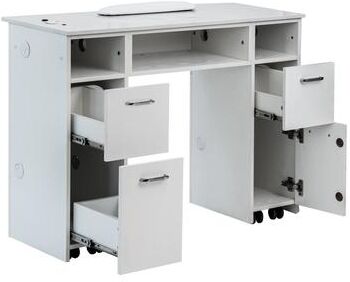
Madison and Park AVIGNON Manicure Table Nail Station Desk Stone Top Acetone Resistant, White - N/AThe AVIGNON Manicure Table is perfect for salon professionals that are looking for an elegant table to add to their salon. This table is finished with acetone resistant veneer and uses solid wood construction for durability and stability.903,49 $*Shipping: 0,00 $Secure redirect to the provider
-
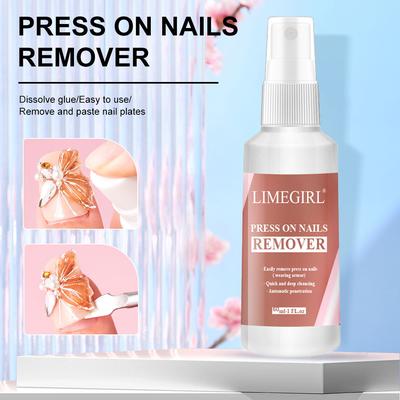
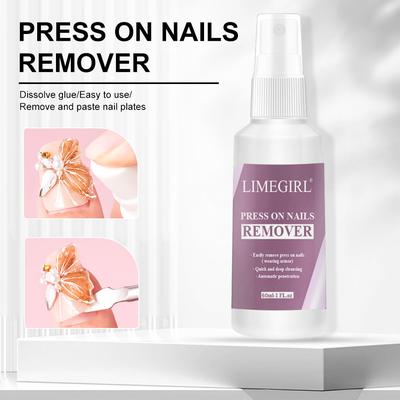
Quick Pick Pro LIMEGIRL Nail Glue Remover For Press On, 60ML Non Acetone Nail Polish Remover, Easy Debonder For Press On Nails g106Gentle and Effective Nail Glue Remover Say goodbye to harsh chemicals and damaged nails with the LIMEGIRL Nail Glue Remover for Press On. Designed with a nonacetone formula, this 60ML Press On Nails Remover is a safe and effective way to dissolve...22,97 $*Shipping: 0,00 $Secure redirect to the provider
-
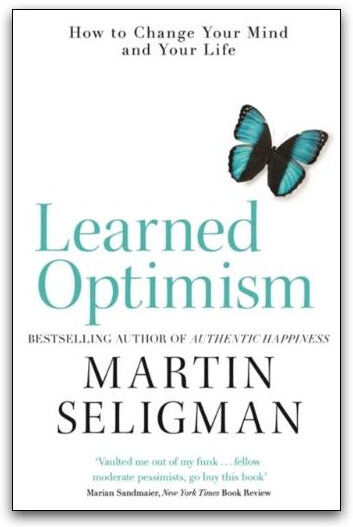
Nicholas Brealey Publishing Learned Optimism by Martin E. P. Seligman Positive Psychology, Resilience & Personal GrowthDiscover the life-changing power of positive thinking with Learned Optimism by renowned psychologist and positive psychology pioneer Martin E. P. Seligman. In this influential book, Seligman explains how optimism is not simply an inborn trait—it can be learned. Drawing on decades of psychological research, he introduces practical techniques to help readers recognize negative thought patterns, develop a more constructive outlook, and build resilience in the face of life's challenges. Whether you're looking to improve your mental wellbeing, boost confidence, manage setbacks, or achieve personal and professional success, Learned Optimism provides evidence-based strategies that can help you cultivate a healthier, more positive mindset. Why Readers Love This Book: Written by the founder of positive psychology Research-based techniques for building optimism and resilience Practical exercises to overcome negative thinking Helps improve confidence, wellbeing, and emotional strength Ideal for readers interested in psychology, self-improvement, and mental wellness A modern classic in psychology, Learned Optimism offers practical tools to help you develop a more resilient mindset and lead a happier, more fulfilling life.5,99 £*Shipping: 2,99 £Secure redirect to the provider
-
Inspired Finds Growth Mindset Poster Therapy Office Wall Art Social Worker Decor Print positive Progress Rays 11.81x15.75 InCreate a space that inspires growth, reflection, and positivity with this meaningful growth mindset poster designed for professionals who care deeply about impact. Whether you're a counselor, therapist, or educator, this piece adds purpose to your...45,99 $*Shipping: 0,00 $Secure redirect to the provider

-
Can acetone bleach clothing?
Yes, acetone can bleach clothing. Acetone is a strong solvent that can break down and remove dyes from fabrics, resulting in a bleaching effect. If acetone comes into contact with colored clothing, it can cause the colors to fade or lighten. It is important to be cautious when using acetone around clothing to avoid accidental bleaching. **
-
What is the difference between nail polish remover with acetone and without acetone?
Nail polish remover with acetone is more effective at removing stubborn or dark-colored nail polish, as acetone is a strong solvent that breaks down the polish quickly. However, acetone can be harsh on nails and cuticles, causing them to become dry and brittle. On the other hand, nail polish remover without acetone is gentler on nails and cuticles, making it a better option for those with sensitive skin or weak nails. However, it may take longer and more effort to remove the nail polish compared to acetone-based removers. **
-
How can one inhale acetone?
Inhaling acetone can be extremely dangerous and should be avoided. Acetone is a volatile organic compound that is commonly found in nail polish remover, paint thinner, and some cleaning products. If acetone is inhaled, it can irritate the respiratory tract, cause headaches, dizziness, and nausea, and in severe cases, it can lead to unconsciousness or even death. It is important to always use acetone in a well-ventilated area and to avoid breathing in the fumes. **
-
How exactly does acetone smell?
Acetone has a strong, pungent odor that is often described as sweet or fruity. Some people may also detect a chemical or solvent-like smell. Overall, acetone has a distinctive and easily recognizable scent that is commonly associated with nail polish remover. **

How does acetone evaporate completely?
Acetone evaporates completely through a process called evaporation. When acetone is exposed to air, the molecules at the surface of the liquid gain enough energy to break free from the liquid and become a gas. This process continues until all the acetone molecules have evaporated. Factors such as temperature, surface area, and air flow can affect the rate at which acetone evaporates. Once all the acetone molecules have turned into gas, the liquid will have completely evaporated. **
How does acetone affect plastic?
Acetone can have a detrimental effect on plastic. When acetone comes into contact with plastic, it can cause the plastic to soften, swell, or even dissolve. This is because acetone is a strong solvent that can break down the molecular structure of many types of plastic, leading to a loss of strength and integrity. It is important to avoid using acetone near plastic surfaces to prevent damage. **
Top-Angebote
Products related to Acetone:
-
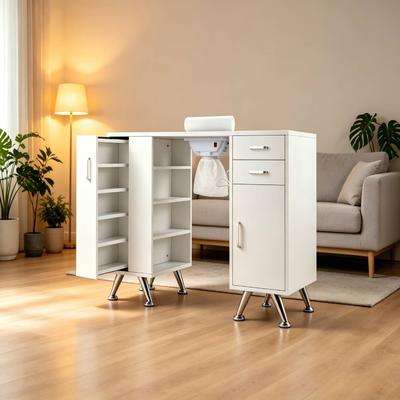
Justmaellc Nail Desk for Nail Tech Acetone-Resistant Manicure Table with Storage CabinetThe detachable soft wrist pad minimizes strain during long manicure sessions, while the acetone-resistant tabletop guarantees durability against spills and daily wear.219,49 $*Shipping: 0,00 $Secure redirect to the provider
-
Madison and Park AVIGNON Manicure Table Nail Station Desk Stone Top Acetone Resistant, White - N/AThe AVIGNON Manicure Table is perfect for salon professionals that are looking for an elegant table to add to their salon. This table is finished with acetone resistant veneer and uses solid wood construction for durability and stability.903,49 $*Shipping: 0,00 $Secure redirect to the provider
-
Quick Pick Pro LIMEGIRL Nail Glue Remover For Press On, 60ML Non Acetone Nail Polish Remover, Easy Debonder For Press On Nails g106Gentle and Effective Nail Glue Remover Say goodbye to harsh chemicals and damaged nails with the LIMEGIRL Nail Glue Remover for Press On. Designed with a nonacetone formula, this 60ML Press On Nails Remover is a safe and effective way to dissolve...22,97 $*Shipping: 0,00 $Secure redirect to the provider
-
Is acetone nonpolar?
Yes, acetone is nonpolar. Acetone is composed of carbon, hydrogen, and oxygen atoms, and the molecule has a symmetrical, triangular shape. The electronegativity difference between carbon and hydrogen is very small, and the oxygen atom in acetone is not significantly more electronegative than the carbon and hydrogen atoms. As a result, the distribution of electrons in the acetone molecule is relatively uniform, making it nonpolar. **
-
What are the differences between pure acetone and commercial acetone?
Pure acetone is a chemical compound that is at least 99.5% pure, while commercial acetone may contain impurities or additives. Pure acetone is typically used in laboratories and industrial settings for its high purity and effectiveness in various applications. Commercial acetone, on the other hand, is more readily available and commonly used as a solvent in nail polish removers, paint thinners, and cleaning products. The purity level and intended use are the main differences between pure acetone and commercial acetone. **
-
Can acetone bleach clothing?
Yes, acetone can bleach clothing. Acetone is a strong solvent that can break down and remove dyes from fabrics, resulting in a bleaching effect. If acetone comes into contact with colored clothing, it can cause the colors to fade or lighten. It is important to be cautious when using acetone around clothing to avoid accidental bleaching. **
-
What is the difference between nail polish remover with acetone and without acetone?
Nail polish remover with acetone is more effective at removing stubborn or dark-colored nail polish, as acetone is a strong solvent that breaks down the polish quickly. However, acetone can be harsh on nails and cuticles, causing them to become dry and brittle. On the other hand, nail polish remover without acetone is gentler on nails and cuticles, making it a better option for those with sensitive skin or weak nails. However, it may take longer and more effort to remove the nail polish compared to acetone-based removers. **
Similar search terms for Acetone
-
Nicholas Brealey Publishing Learned Optimism by Martin E. P. Seligman Positive Psychology, Resilience & Personal GrowthDiscover the life-changing power of positive thinking with Learned Optimism by renowned psychologist and positive psychology pioneer Martin E. P. Seligman. In this influential book, Seligman explains how optimism is not simply an inborn trait—it can be learned. Drawing on decades of psychological research, he introduces practical techniques to help readers recognize negative thought patterns, develop a more constructive outlook, and build resilience in the face of life's challenges. Whether you're looking to improve your mental wellbeing, boost confidence, manage setbacks, or achieve personal and professional success, Learned Optimism provides evidence-based strategies that can help you cultivate a healthier, more positive mindset. Why Readers Love This Book: Written by the founder of positive psychology Research-based techniques for building optimism and resilience Practical exercises to overcome negative thinking Helps improve confidence, wellbeing, and emotional strength Ideal for readers interested in psychology, self-improvement, and mental wellness A modern classic in psychology, Learned Optimism offers practical tools to help you develop a more resilient mindset and lead a happier, more fulfilling life.5,99 £*Shipping: 2,99 £Secure redirect to the provider
-
Inspired Finds Growth Mindset Poster Therapy Office Wall Art Social Worker Decor Print positive Progress Rays 11.81x15.75 InCreate a space that inspires growth, reflection, and positivity with this meaningful growth mindset poster designed for professionals who care deeply about impact. Whether you're a counselor, therapist, or educator, this piece adds purpose to your...45,99 $*Shipping: 0,00 $Secure redirect to the provider
-
Quick Pick Pro LIMEGIRL Nail Glue Remover For Press On, 60ML Non Acetone Nail Polish Remover, Easy Debonder For Press On Nails g106 flowerGentle and Effective Nail Glue Remover Say goodbye to harsh chemicals and damaged nails with the LIMEGIRL Nail Glue Remover for Press On. Designed with a nonacetone formula, this 60ML Press On Nails Remover is a safe and effective way to dissolve...22,97 $*Shipping: 0,00 $Secure redirect to the provider
-
Inspired Finds Growth Mindset Poster Therapy Office Wall Art Social Worker Decor Print positive Progress Rays 15.75x23.62 InCreate a space that inspires growth, reflection, and positivity with this meaningful growth mindset poster designed for professionals who care deeply about impact. Whether you're a counselor, therapist, or educator, this piece adds purpose to your...50,99 $*Shipping: 0,00 $Secure redirect to the provider
-
How can one inhale acetone?
Inhaling acetone can be extremely dangerous and should be avoided. Acetone is a volatile organic compound that is commonly found in nail polish remover, paint thinner, and some cleaning products. If acetone is inhaled, it can irritate the respiratory tract, cause headaches, dizziness, and nausea, and in severe cases, it can lead to unconsciousness or even death. It is important to always use acetone in a well-ventilated area and to avoid breathing in the fumes. **
-
How exactly does acetone smell?
Acetone has a strong, pungent odor that is often described as sweet or fruity. Some people may also detect a chemical or solvent-like smell. Overall, acetone has a distinctive and easily recognizable scent that is commonly associated with nail polish remover. **
-
How does acetone evaporate completely?
Acetone evaporates completely through a process called evaporation. When acetone is exposed to air, the molecules at the surface of the liquid gain enough energy to break free from the liquid and become a gas. This process continues until all the acetone molecules have evaporated. Factors such as temperature, surface area, and air flow can affect the rate at which acetone evaporates. Once all the acetone molecules have turned into gas, the liquid will have completely evaporated. **
-
How does acetone affect plastic?
Acetone can have a detrimental effect on plastic. When acetone comes into contact with plastic, it can cause the plastic to soften, swell, or even dissolve. This is because acetone is a strong solvent that can break down the molecular structure of many types of plastic, leading to a loss of strength and integrity. It is important to avoid using acetone near plastic surfaces to prevent damage. **
* All prices are inclusive of VAT and, if applicable, plus shipping costs. The offer information is based on the details provided by the respective shop and is updated through automated processes. Real-time updates do not occur, so deviations can occur in individual cases. ** Note: Parts of this content were created by AI.