Buy futurefoundation.eu ?
We are moving the project
futurefoundation.eu .
Are you interested in purchasing the domain
futurefoundation.eu ?
domain@kv-gmbh.de · 0541-91531010
Buy futurefoundation.eu ?
What is sustainable and equitable economic growth?
Sustainable and equitable economic growth refers to a type of economic development that is environmentally sustainable and benefits all members of society. It involves creating economic opportunities and improving living standards for all, while also ensuring that natural resources are used efficiently and preserved for future generations. This type of growth also aims to reduce inequality and promote social inclusion, so that the benefits of economic development are shared by everyone in society. Overall, sustainable and equitable economic growth seeks to balance economic progress with social and environmental responsibility. **
To what extent do global economic growth and equitable distribution not have to contradict sustainable ecology?
Global economic growth and equitable distribution do not have to contradict sustainable ecology if they are pursued in a way that prioritizes environmental conservation and social equity. This can be achieved through policies and practices that promote sustainable development, such as investing in renewable energy, promoting sustainable agriculture, and implementing fair trade practices. Additionally, ensuring that economic growth benefits all members of society, particularly marginalized communities, can help to reduce inequality and promote a more sustainable and inclusive economy. Ultimately, it is possible to achieve economic growth and equitable distribution while also protecting the environment and promoting sustainable ecology. **
Similar search terms for Equitable
Top-Angebote
Products related to Equitable:
-
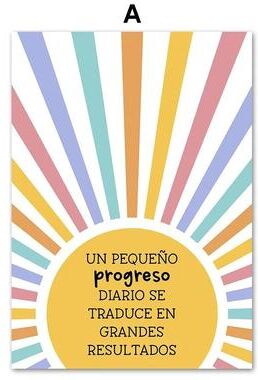
Inspired Finds Growth Mindset Poster Therapy Office Wall Art Social Worker Decor Print positive Progress Rays 8.27x11.81 InCreate a space that inspires growth, reflection, and positivity with this meaningful growth mindset poster designed for professionals who care deeply about impact. Whether you're a counselor, therapist, or educator, this piece adds purpose to your...43,99 $*Shipping: 0,00 $Secure redirect to the provider
-
Inspired Finds Growth Mindset Poster Therapy Office Wall Art Social Worker Decor Print positive Progress Rays 7.87x9.84 InCreate a space that inspires growth, reflection, and positivity with this meaningful growth mindset poster designed for professionals who care deeply about impact. Whether you're a counselor, therapist, or educator, this piece adds purpose to your...40,99 $*Shipping: 0,00 $Secure redirect to the provider
-
Inspired Finds Growth Mindset Poster Therapy Office Wall Art Social Worker Decor Print positive Progress Rays 19.69x27.56 InCreate a space that inspires growth, reflection, and positivity with this meaningful growth mindset poster designed for professionals who care deeply about impact. Whether you're a counselor, therapist, or educator, this piece adds purpose to your...58,99 $*Shipping: 0,00 $Secure redirect to the provider
-
Inspired Finds Growth Mindset Poster Therapy Office Wall Art Social Worker Decor Print positive Progress Rays 11.81x15.75 InCreate a space that inspires growth, reflection, and positivity with this meaningful growth mindset poster designed for professionals who care deeply about impact. Whether you're a counselor, therapist, or educator, this piece adds purpose to your...45,99 $*Shipping: 0,00 $Secure redirect to the provider


-
How can we reduce global poverty and achieve a more equitable distribution of resources?
Reducing global poverty and achieving a more equitable distribution of resources requires a multi-faceted approach. First, investing in education and healthcare is crucial to empower individuals and communities to break the cycle of poverty. Additionally, promoting sustainable economic development and creating job opportunities can help lift people out of poverty. Addressing systemic issues such as corruption, unequal access to resources, and discrimination is also essential in achieving a more equitable distribution of resources. Finally, promoting fair trade practices and providing support to marginalized communities can help create a more just and equitable global society. **
-
Wouldn't it be more gender-equitable to switch between "Dear Ladies and Gentlemen" and "Dear Gentlemen and Ladies"?
Using "Dear Ladies and Gentlemen" and "Dear Gentlemen and Ladies" does not necessarily make the language more gender-equitable. In fact, it may reinforce traditional gender norms by prioritizing one gender over the other. A more gender-equitable approach would be to use gender-neutral language, such as "Dear Guests" or "Dear Everyone," to address a mixed-gender audience. This approach is inclusive and does not prioritize one gender over the other. **
-
How does growth progress?
Growth progresses through a series of stages, starting from infancy and continuing through childhood, adolescence, and adulthood. During these stages, individuals experience physical, cognitive, emotional, and social development. Factors such as genetics, environment, nutrition, and experiences all play a role in shaping an individual's growth trajectory. As individuals grow, they acquire new skills, knowledge, and perspectives that contribute to their overall development and well-being. **
-
How does language development progress?
Language development progresses in stages, starting with cooing and babbling in infancy, then moving on to single words, two-word phrases, and eventually more complex sentences. Children learn language through exposure to spoken language, imitation, and reinforcement from caregivers. As they grow, they continue to expand their vocabulary, grammar, and communication skills through interactions with others and practice in various social contexts. Language development is a gradual process that is influenced by both biological factors and environmental experiences. **

How does human development progress?
Human development progresses through a series of stages that are influenced by both biological and environmental factors. These stages include physical, cognitive, emotional, and social development. As individuals grow and mature, they acquire new skills, knowledge, and experiences that shape their understanding of the world and their place in it. Development is a lifelong process that continues from infancy through adulthood and is influenced by a combination of genetics, environment, and personal experiences. **
How does sensory development progress?
Sensory development progresses through a series of stages, beginning with basic sensory experiences such as touch, taste, and smell in infancy. As children grow, they develop more refined sensory abilities, such as improved vision and hearing, and begin to integrate sensory information to make sense of their environment. This process continues into adolescence and adulthood, with individuals becoming more adept at interpreting and responding to sensory stimuli. Overall, sensory development progresses from basic sensory experiences to more complex and integrated sensory abilities as individuals mature. **
Top-Angebote
Products related to Equitable:
-
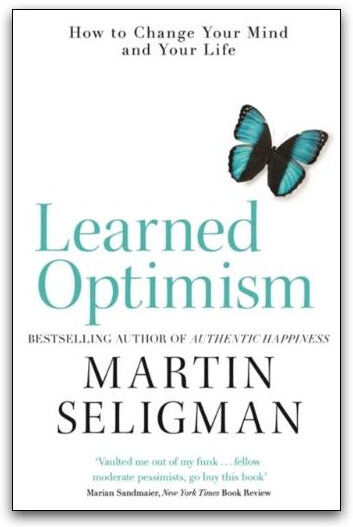
Nicholas Brealey Publishing Learned Optimism by Martin E. P. Seligman Positive Psychology, Resilience & Personal GrowthDiscover the life-changing power of positive thinking with Learned Optimism by renowned psychologist and positive psychology pioneer Martin E. P. Seligman. In this influential book, Seligman explains how optimism is not simply an inborn trait—it can be learned. Drawing on decades of psychological research, he introduces practical techniques to help readers recognize negative thought patterns, develop a more constructive outlook, and build resilience in the face of life's challenges. Whether you're looking to improve your mental wellbeing, boost confidence, manage setbacks, or achieve personal and professional success, Learned Optimism provides evidence-based strategies that can help you cultivate a healthier, more positive mindset. Why Readers Love This Book: Written by the founder of positive psychology Research-based techniques for building optimism and resilience Practical exercises to overcome negative thinking Helps improve confidence, wellbeing, and emotional strength Ideal for readers interested in psychology, self-improvement, and mental wellness A modern classic in psychology, Learned Optimism offers practical tools to help you develop a more resilient mindset and lead a happier, more fulfilling life.5,99 £*Shipping: 2,99 £Secure redirect to the provider
-
Inspired Finds Growth Mindset Poster Therapy Office Wall Art Social Worker Decor Print positive Progress Rays 19.69x29.53 InCreate a space that inspires growth, reflection, and positivity with this meaningful growth mindset poster designed for professionals who care deeply about impact. Whether you're a counselor, therapist, or educator, this piece adds purpose to your...60,99 $*Shipping: 0,00 $Secure redirect to the provider
-
Inspired Finds Growth Mindset Poster Therapy Office Wall Art Social Worker Decor Print positive Progress Rays 8.27x11.81 InCreate a space that inspires growth, reflection, and positivity with this meaningful growth mindset poster designed for professionals who care deeply about impact. Whether you're a counselor, therapist, or educator, this piece adds purpose to your...43,99 $*Shipping: 0,00 $Secure redirect to the provider
-
Inspired Finds Growth Mindset Poster Therapy Office Wall Art Social Worker Decor Print positive Progress Rays 7.87x9.84 InCreate a space that inspires growth, reflection, and positivity with this meaningful growth mindset poster designed for professionals who care deeply about impact. Whether you're a counselor, therapist, or educator, this piece adds purpose to your...40,99 $*Shipping: 0,00 $Secure redirect to the provider
-
What is sustainable and equitable economic growth?
Sustainable and equitable economic growth refers to a type of economic development that is environmentally sustainable and benefits all members of society. It involves creating economic opportunities and improving living standards for all, while also ensuring that natural resources are used efficiently and preserved for future generations. This type of growth also aims to reduce inequality and promote social inclusion, so that the benefits of economic development are shared by everyone in society. Overall, sustainable and equitable economic growth seeks to balance economic progress with social and environmental responsibility. **
-
To what extent do global economic growth and equitable distribution not have to contradict sustainable ecology?
Global economic growth and equitable distribution do not have to contradict sustainable ecology if they are pursued in a way that prioritizes environmental conservation and social equity. This can be achieved through policies and practices that promote sustainable development, such as investing in renewable energy, promoting sustainable agriculture, and implementing fair trade practices. Additionally, ensuring that economic growth benefits all members of society, particularly marginalized communities, can help to reduce inequality and promote a more sustainable and inclusive economy. Ultimately, it is possible to achieve economic growth and equitable distribution while also protecting the environment and promoting sustainable ecology. **
-
How can we reduce global poverty and achieve a more equitable distribution of resources?
Reducing global poverty and achieving a more equitable distribution of resources requires a multi-faceted approach. First, investing in education and healthcare is crucial to empower individuals and communities to break the cycle of poverty. Additionally, promoting sustainable economic development and creating job opportunities can help lift people out of poverty. Addressing systemic issues such as corruption, unequal access to resources, and discrimination is also essential in achieving a more equitable distribution of resources. Finally, promoting fair trade practices and providing support to marginalized communities can help create a more just and equitable global society. **
-
Wouldn't it be more gender-equitable to switch between "Dear Ladies and Gentlemen" and "Dear Gentlemen and Ladies"?
Using "Dear Ladies and Gentlemen" and "Dear Gentlemen and Ladies" does not necessarily make the language more gender-equitable. In fact, it may reinforce traditional gender norms by prioritizing one gender over the other. A more gender-equitable approach would be to use gender-neutral language, such as "Dear Guests" or "Dear Everyone," to address a mixed-gender audience. This approach is inclusive and does not prioritize one gender over the other. **
Similar search terms for Equitable
-
Inspired Finds Growth Mindset Poster Therapy Office Wall Art Social Worker Decor Print positive Progress Rays 19.69x27.56 InCreate a space that inspires growth, reflection, and positivity with this meaningful growth mindset poster designed for professionals who care deeply about impact. Whether you're a counselor, therapist, or educator, this piece adds purpose to your...58,99 $*Shipping: 0,00 $Secure redirect to the provider
-
Inspired Finds Growth Mindset Poster Therapy Office Wall Art Social Worker Decor Print positive Progress Rays 11.81x15.75 InCreate a space that inspires growth, reflection, and positivity with this meaningful growth mindset poster designed for professionals who care deeply about impact. Whether you're a counselor, therapist, or educator, this piece adds purpose to your...45,99 $*Shipping: 0,00 $Secure redirect to the provider
-
Inspired Finds Growth Mindset Poster Therapy Office Wall Art Social Worker Decor Print positive Progress Rays 15.75x19.69 InCreate a space that inspires growth, reflection, and positivity with this meaningful growth mindset poster designed for professionals who care deeply about impact. Whether you're a counselor, therapist, or educator, this piece adds purpose to your...47,99 $*Shipping: 0,00 $Secure redirect to the provider
-
Inspired Finds Growth Mindset Poster Therapy Office Wall Art Social Worker Decor Print positive Progress Rays 11.81x16.54 InCreate a space that inspires growth, reflection, and positivity with this meaningful growth mindset poster designed for professionals who care deeply about impact. Whether you're a counselor, therapist, or educator, this piece adds purpose to your...46,99 $*Shipping: 0,00 $Secure redirect to the provider
-
How does growth progress?
Growth progresses through a series of stages, starting from infancy and continuing through childhood, adolescence, and adulthood. During these stages, individuals experience physical, cognitive, emotional, and social development. Factors such as genetics, environment, nutrition, and experiences all play a role in shaping an individual's growth trajectory. As individuals grow, they acquire new skills, knowledge, and perspectives that contribute to their overall development and well-being. **
-
How does language development progress?
Language development progresses in stages, starting with cooing and babbling in infancy, then moving on to single words, two-word phrases, and eventually more complex sentences. Children learn language through exposure to spoken language, imitation, and reinforcement from caregivers. As they grow, they continue to expand their vocabulary, grammar, and communication skills through interactions with others and practice in various social contexts. Language development is a gradual process that is influenced by both biological factors and environmental experiences. **
-
How does human development progress?
Human development progresses through a series of stages that are influenced by both biological and environmental factors. These stages include physical, cognitive, emotional, and social development. As individuals grow and mature, they acquire new skills, knowledge, and experiences that shape their understanding of the world and their place in it. Development is a lifelong process that continues from infancy through adulthood and is influenced by a combination of genetics, environment, and personal experiences. **
-
How does sensory development progress?
Sensory development progresses through a series of stages, beginning with basic sensory experiences such as touch, taste, and smell in infancy. As children grow, they develop more refined sensory abilities, such as improved vision and hearing, and begin to integrate sensory information to make sense of their environment. This process continues into adolescence and adulthood, with individuals becoming more adept at interpreting and responding to sensory stimuli. Overall, sensory development progresses from basic sensory experiences to more complex and integrated sensory abilities as individuals mature. **
* All prices are inclusive of VAT and, if applicable, plus shipping costs. The offer information is based on the details provided by the respective shop and is updated through automated processes. Real-time updates do not occur, so deviations can occur in individual cases. ** Note: Parts of this content were created by AI.